"Lisa Kleypas turns her pen to historical fiction with considerable panache!"
— Kate Quinn, New York Times bestselling author
Main Selection — October 2026
Library Reads Top Ten — October 2026
Indie Next List — November 2026
Apple Books Must-Listens — October 2026
"After five years, Kleypas is back, and her fans will be delighted…a clever and well-researched one, with illuminating details of Victorian life on nearly every page. Compelling historical fiction with as much romance as economics. No matter how you describe it, it’s a delight."
— Kirkus, Starred Review
"Dazzling and transformative."
— Cosmopolitan
"Kleypas’s many fans will celebrate her return in this highly anticipated release and find comfort in a standout historical novel celebrating a found family with a side of romance."
— Library Journal
"Historical fiction with such a great romance, but it’s about the first female banker in England. And it is fantastic."
— Isabel Ibáñez, #1 New York Times bestselling author, Good Housekeeping
"The rare author who can make you laugh and cry—on the same page."
— Julia Quinn, #1 New York Times bestselling author
In Victorian London, an idealistic female economist sets out to open the first bank for women—but she discovers her powerful mentor may be behind a financial conspiracy that could destroy thousands of lives.
London, 1880. Reina Martin intends to help other women get ahead by starting Britain’s first all-women’s bank.
At home, however, life is a bit… problematic. Since traditional servants are in short supply nowadays, Reina has hired a household staff of paroled prisoners who are all desperate for a second chance.
All except the new butler, John Pembroke—who’s secretly working as an undercover detective. He’s investigating Reina’s business partner, powerful banker William Farlow, who’s suspected of committing bank fraud on such a massive scale, it could destabilize the entire British economy.
If Reina helps with the investigation, she’ll betray the trust of her friend and mentor William. But if she does nothing…she’ll be turning her back on thousands who stand to lose everything they own.
As Reina and John face one crisis after another, their relationship develops into something profound and passionate. Together, they’ll risk everything to uncover the truth and protect their newfound family.
Epic yet deeply personal, Queen of Lombard Street is a story of love, sacrifice, moral courage, and the power of community to change lives for the better. But it also focuses on the price women pay for ambition, and the cost of escaping the narrow roles we’re expected to inhabit.
About the Author
About the Author
About the Author
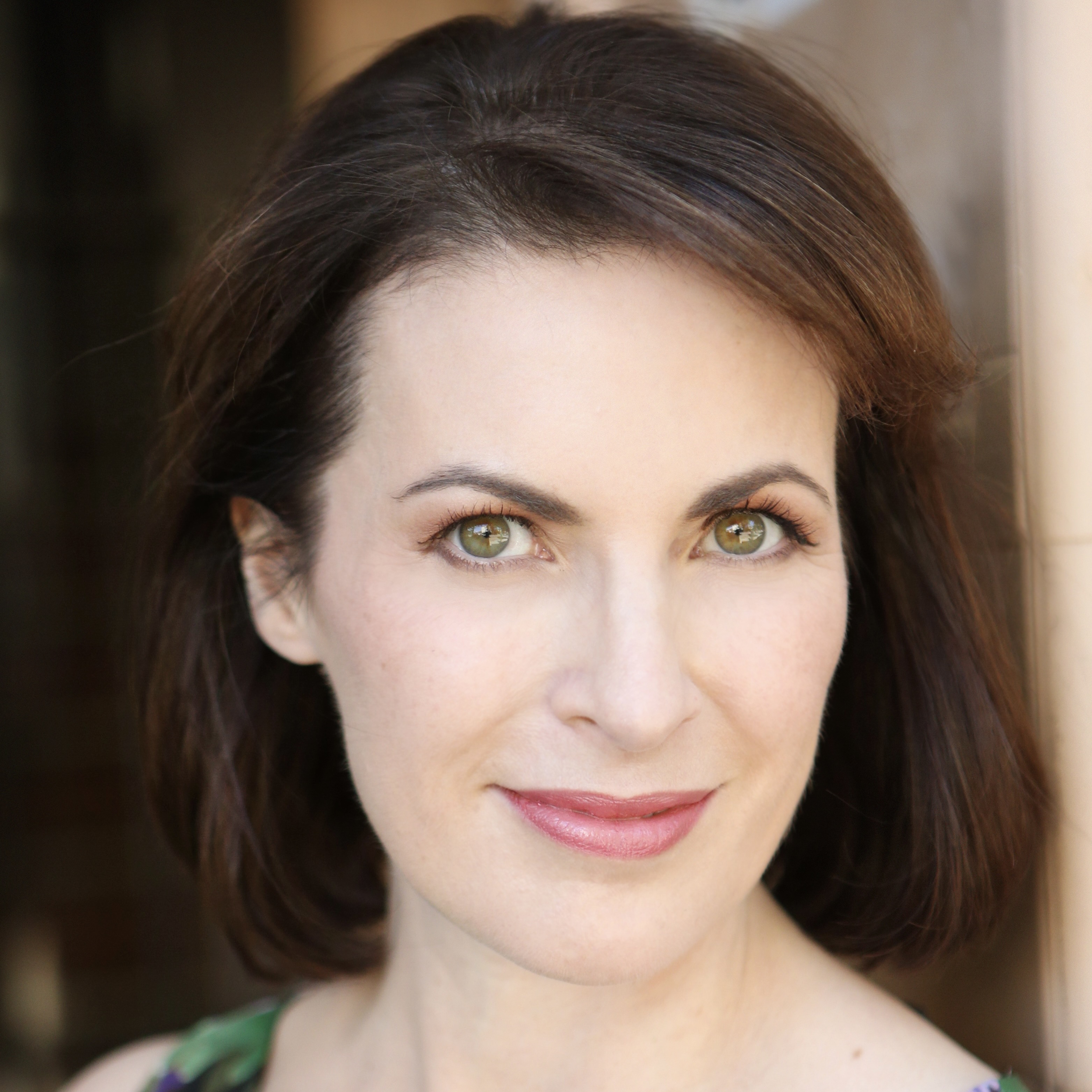
Lisa Kleypas
Lisa Kleypas graduated from Wellesley College with a political science degree. Her novels are published in forty different languages and are bestsellers all over the world. She lives in California with her husband, Gregory.
New York Times Bestselling Author·In Continuous Print for Over Three Decades·Published in 40 Languages
From Lisa's Desk
research, curiosities and details that made it into the book
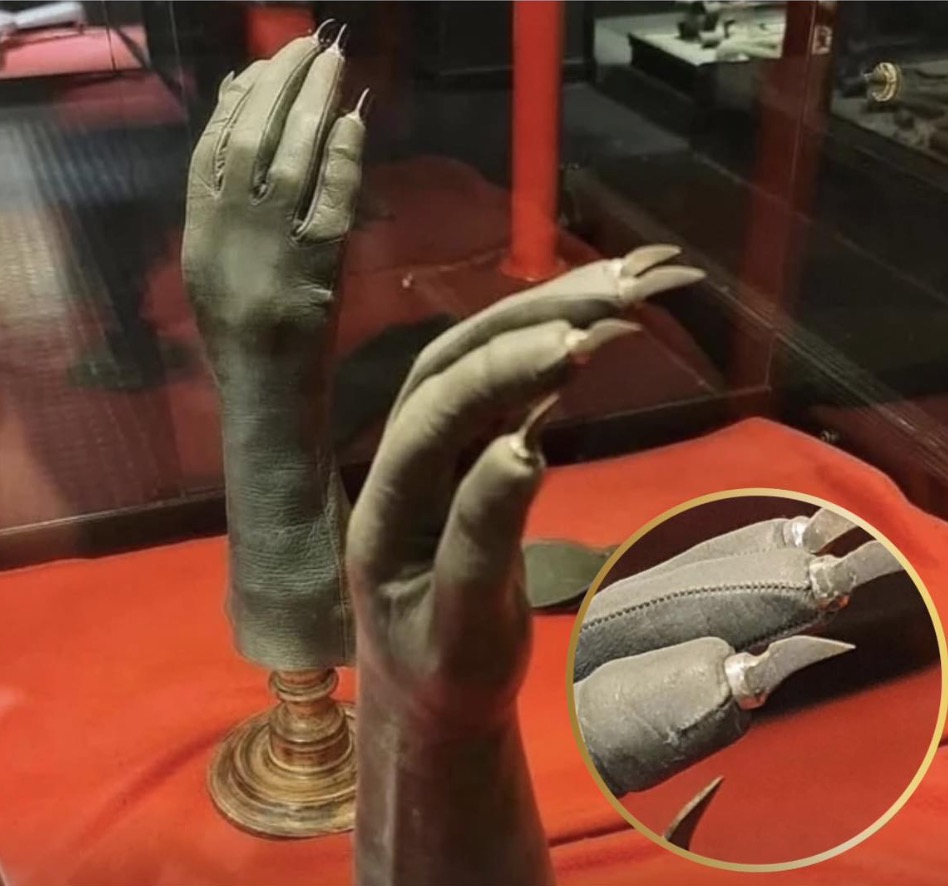
Claw glove
This photo has been passed around with the claim that these gloves were worn by Victorian-era women for self-defense, which is a little misleading. They were never really a thing. But there was a public panic in the mid 1850s, fueled by fear over street attacks in which thieves would approach from behind and choke you with a cord around your neck while robbing you. So all kinds of anti-garotting devices were invented, including spiked shirt collars, weighted walking canes, etc. And in 1856, a couple of guys applied for a patent for claw-tipped gloves sort of like these. They were briefly manufactured by Dr. F.J.W. Packman, who went out of business a year later.
As soon as I saw this picture, I imagined a fifteen year old girl in an 1800s street gang, making these for herself to look scary, and naming herself Belinda Claw. She's one of the paroled prisoners who now works for Reina Martin.
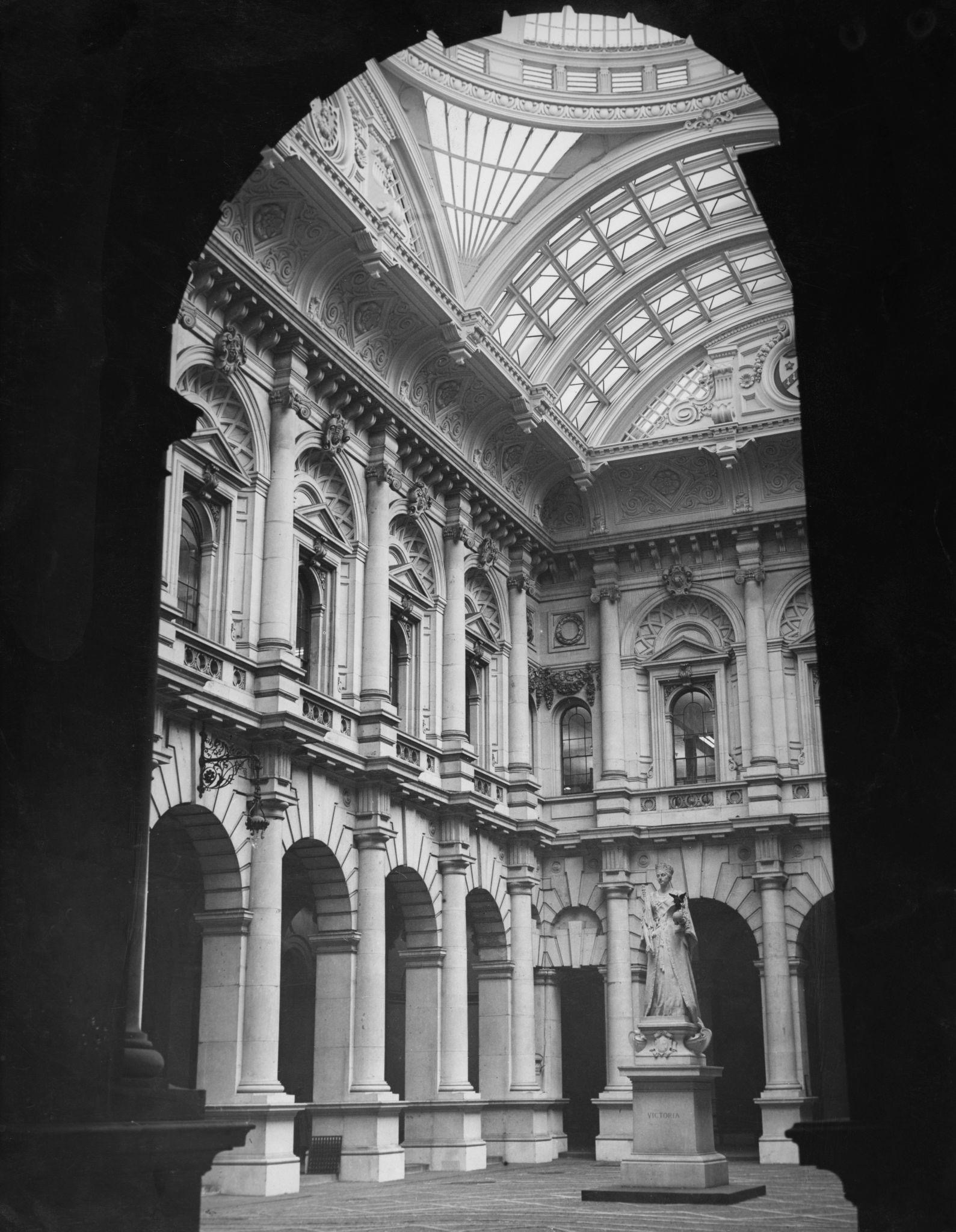
The Royal Exchange Interior Courtyard, 1880
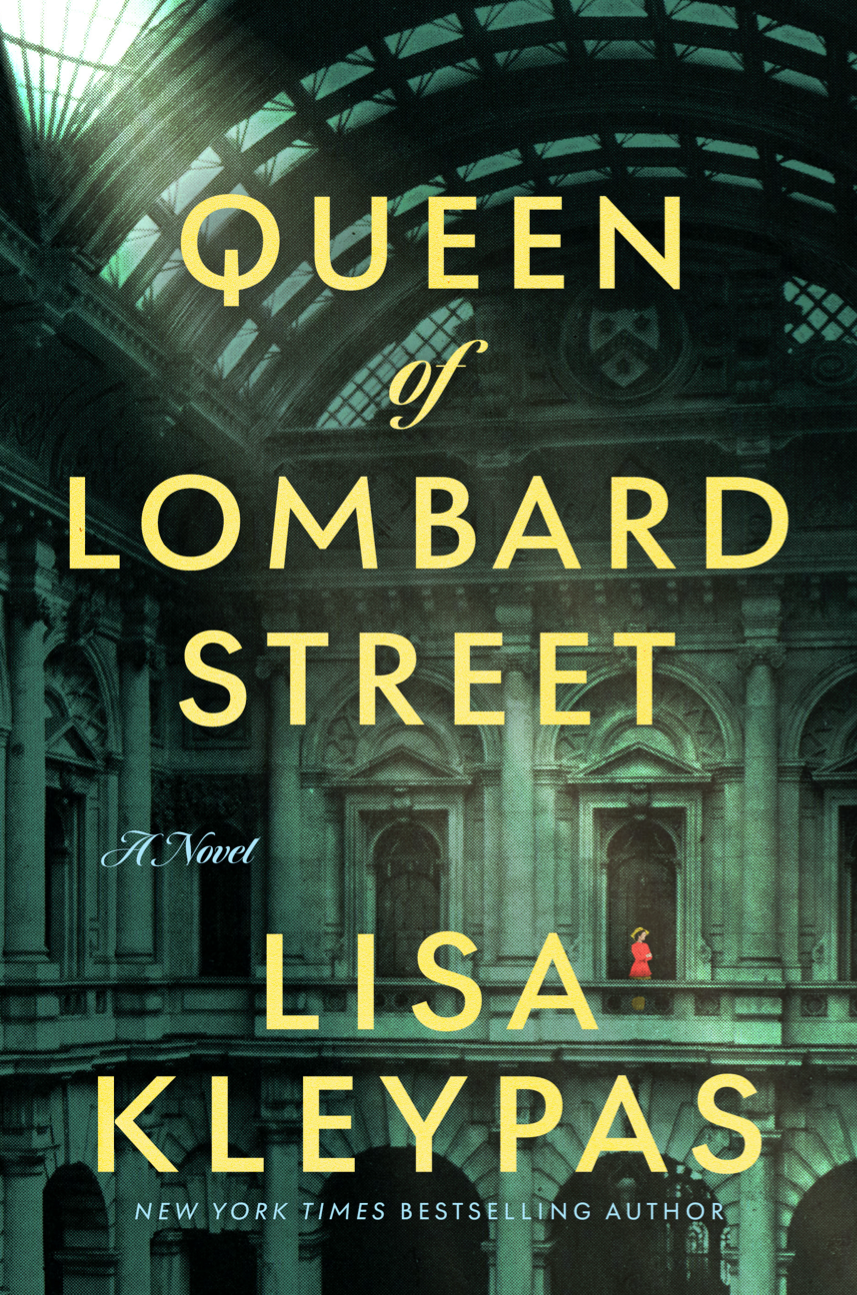
When my editor asked for any ideas I might have for the book cover, one of the pictures I sent was this 1880 photograph. It was taken inside the Royal Exchange building, which was a center of worldwide trade. The London Stock Exchange was located nearby at Capel Court, Bartholomew Lane, but international banking and trade deals were still conducted in the Royal Exchange. I imagined Reina Martin walking beneath those stone archways—and looking up at that symbolic glass ceiling.
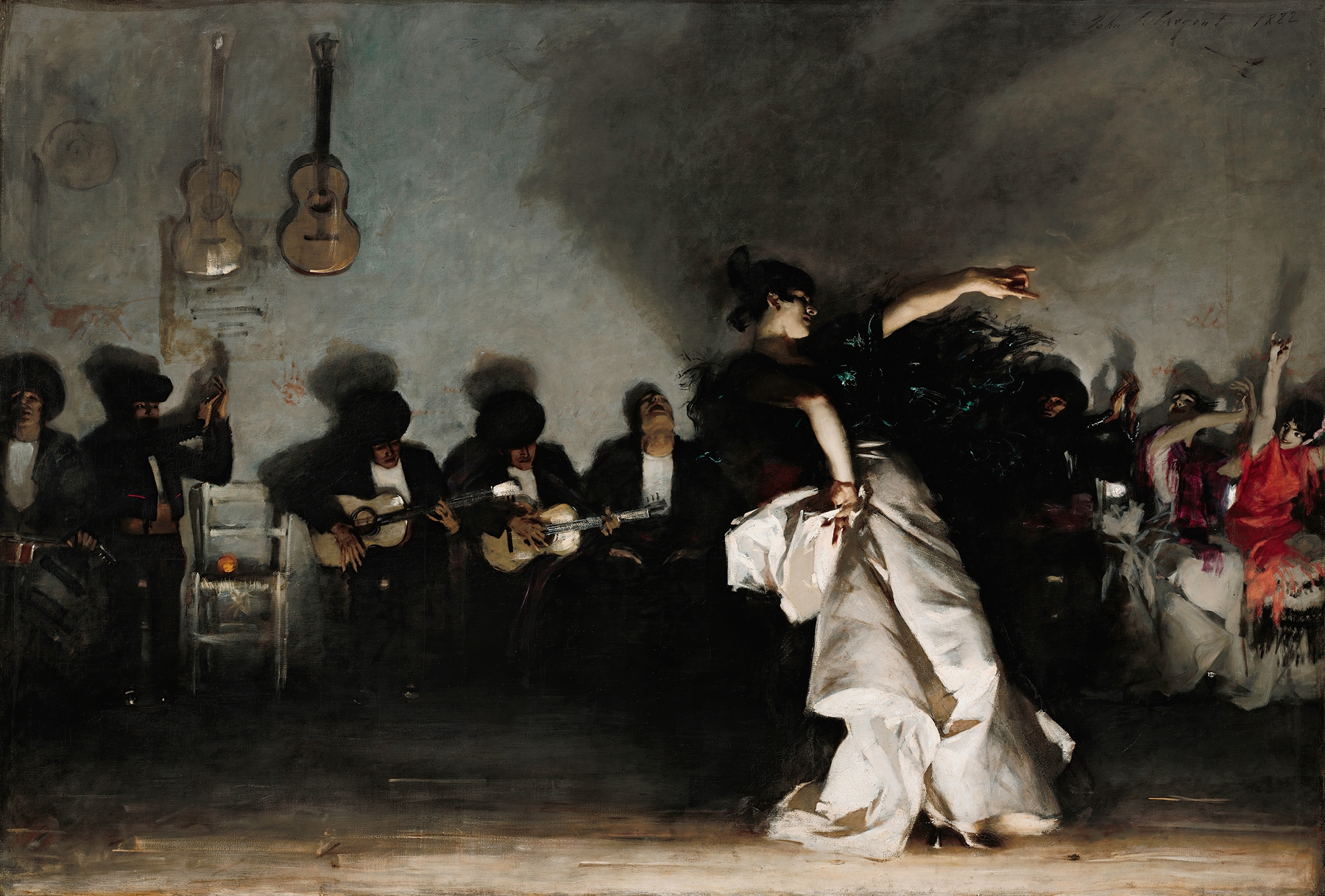
El Jaleo — John Singer Sargent, 1882
John Singer Sargent has always been my favorite painter. His style is a unique mixture of classic academy training and impressionistic energy. Stand up close to one of his portraits, and you notice spontaneous dabs and slashes of brushwork. But as you back away, all of it resolves into a breathtakingly real image of light, shadow, and psychology.
As a young woman, I saw this painting, El Jaleo, at the Isabella Gardner Museum in Boston, and I've always been obsessed by it. It's huge, the dancer nearly life-size. Stare at it long enough, and you're pulled into the room with her, where you're showered by guitar notes while the floor vibrates beneath dozens of stamping feet. This is how I imagined Reina's mother Manuela Martín.
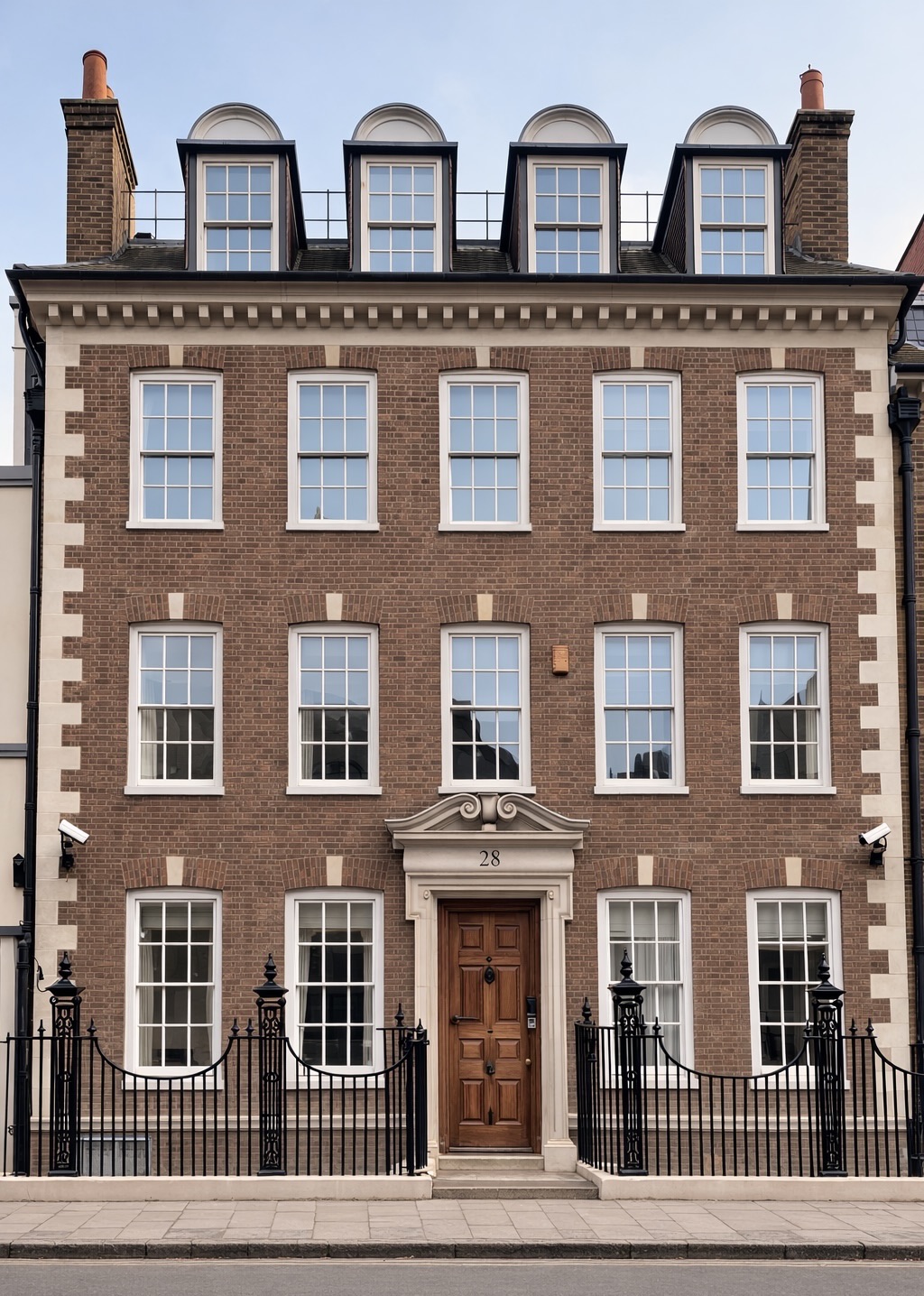
28 South Street, Mayfair
Westbrook House, the fictional home of Reina Martin, was inspired by this real-life one. The Mayfair mansion, 28 South Street, was the house where British Prime Minister Sir Alec Douglas-Home was born in 1903. Later it was the residence of famed romance novelist Barbara Cartland (whose daughter Raine was Princess Diana's stepmother).
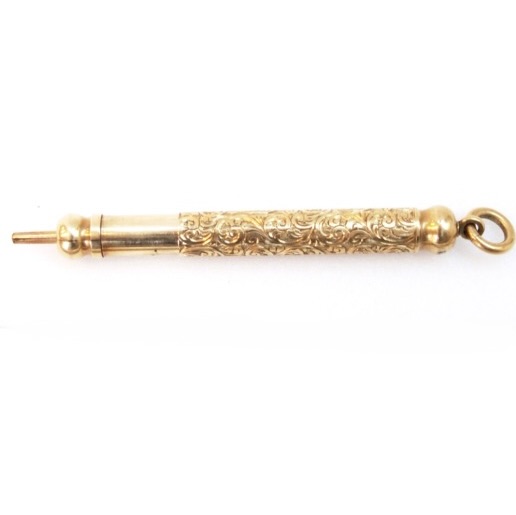
Propelling Pencil
Reina Martin's signature piece of jewelry is a gold mechanical pencil (or "propelling pencil" as it was called back then) worn on a long chain around her neck. Back when I started writing books, in the days before the iphone, I wore something like this (not real gold, of course) all the time for writing down ideas when they occurred to me. Some days I sat at my typewriter surrounded by notes written on grocery receipts, tiny napkins, or the backs of envelopes.
Tap to expand
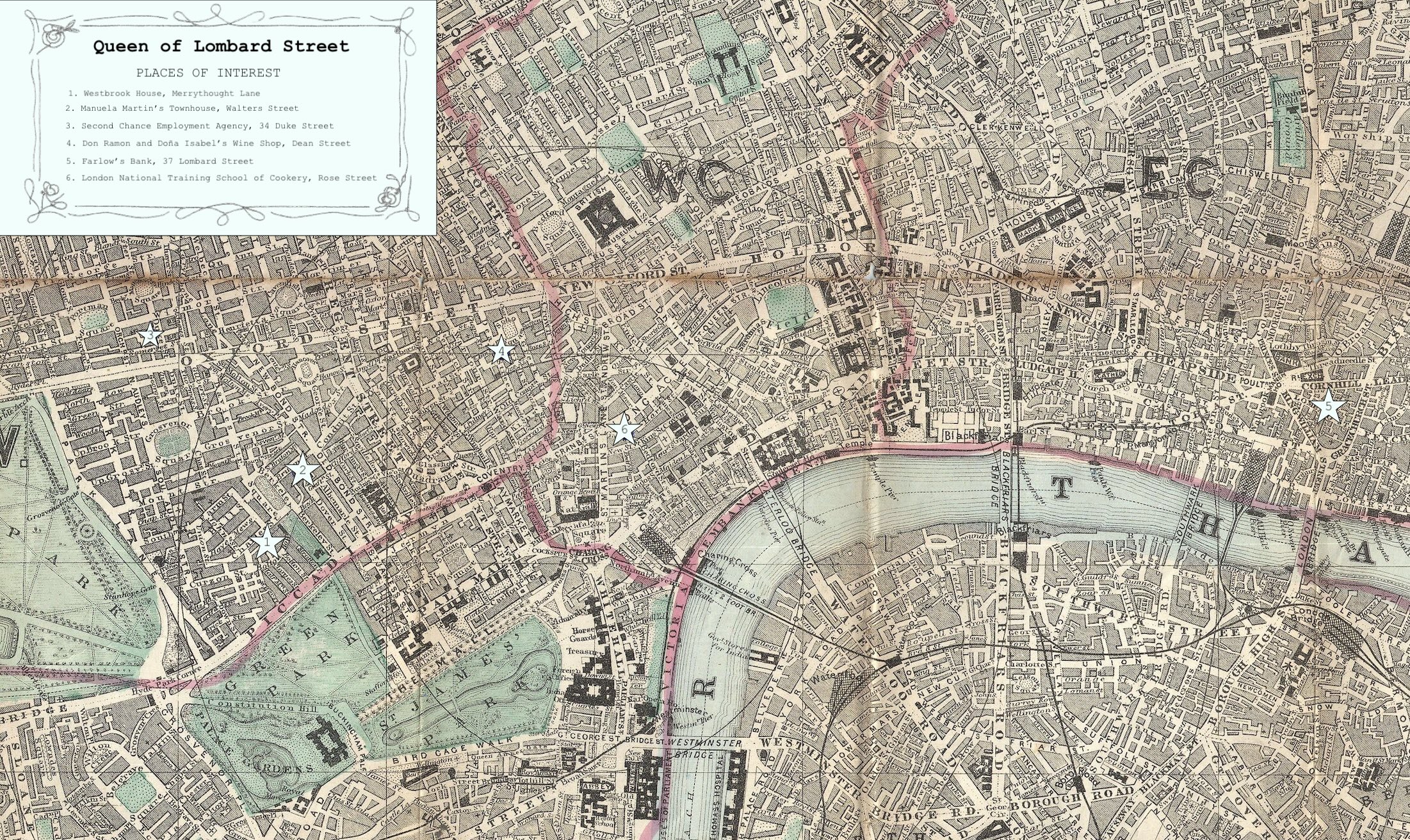
This is a portion of Bacon's New Map of London 1876, my go-to Victorian era map. It was produced at a time when London was the biggest city in the world. The cartographer, George Washington Bacon, was born in 1830 in New York. He relocated to London in 1861, where he published wonderful pocket maps and atlases until his company merged with another in 1900.
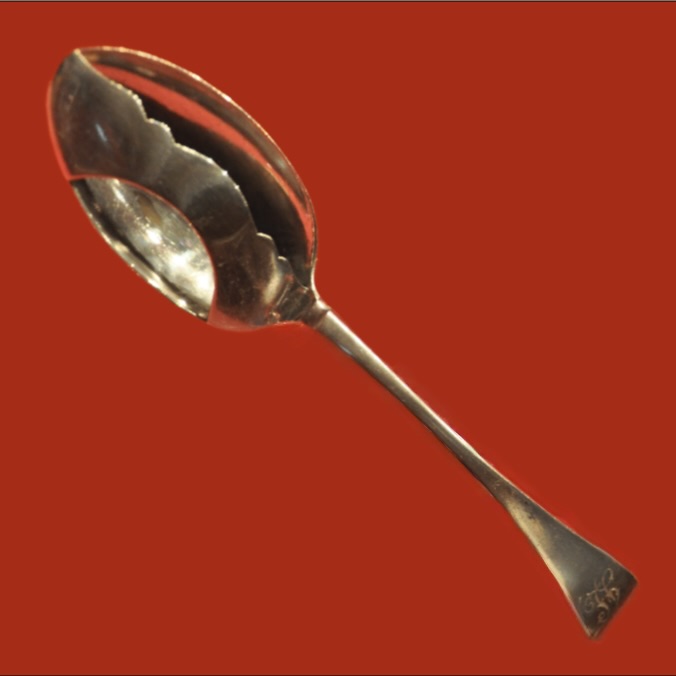
Moustache Spoon
In 1880, restaurants were for men, not women. A woman could only go if she were escorted by a man, but it was still an invasion of “foreign” territory. When you sat at your table, one of the utensils in your place setting would have been a moustache spoon. You know how Victorian men had those moustaches with elaborately curled ends?—well, they did that with wax. And not only would soup cling to a guy's fancy 'stache, the heat would start to melt the wax off. Hence, spoon with moustache protector.
mystery symbol
Here we see the limits of my artistic skills. I drew this symbol for a scene in QoLS, thinking someone could improve it later in the publishing process. To my delight, Avon Books included it "as is." My first public work of art haha. I wish I could tell you what it means, but I don't want to spoil it.
To discover the meaning of the mystery symbol, or other Victorian curiosities, reserve your copy of Queen of Lombard Street.
Inspiration
The Real People Behind the Story
"The growing good of the world is partly dependent on unhistoric acts…"
— George Eliot, Middlemarch
When I began researching the history of women and finance, I expected to find some interesting facts tucked within dusty footnotes. Instead, I discovered a world of vibrant, ambitious women who changed history—in hundreds of professions, in thousands of ways. The Victorian era was a time full of extraordinary women.
I was astonished to realize how much we have in common with them. It was joyful, enraging, and exciting to learn about what they went through, and the overwhelming opposition they faced.
Why are their names unfamiliar to most of us?
According to historian Bettany Hughes, women have always been about fifty percent of the population, but we've only been mentioned in 0.5 percent of all recorded human history. Not because we weren't doing anything, but because no one thought it was worth writing down.
Learning about our history is the only way we can fully know ourselves. We have our own heroes to look up to—real, inspiring women who had to find unconventional paths to success.
They deserve to be remembered. And we deserve to be introduced to them.
Here are just a few.
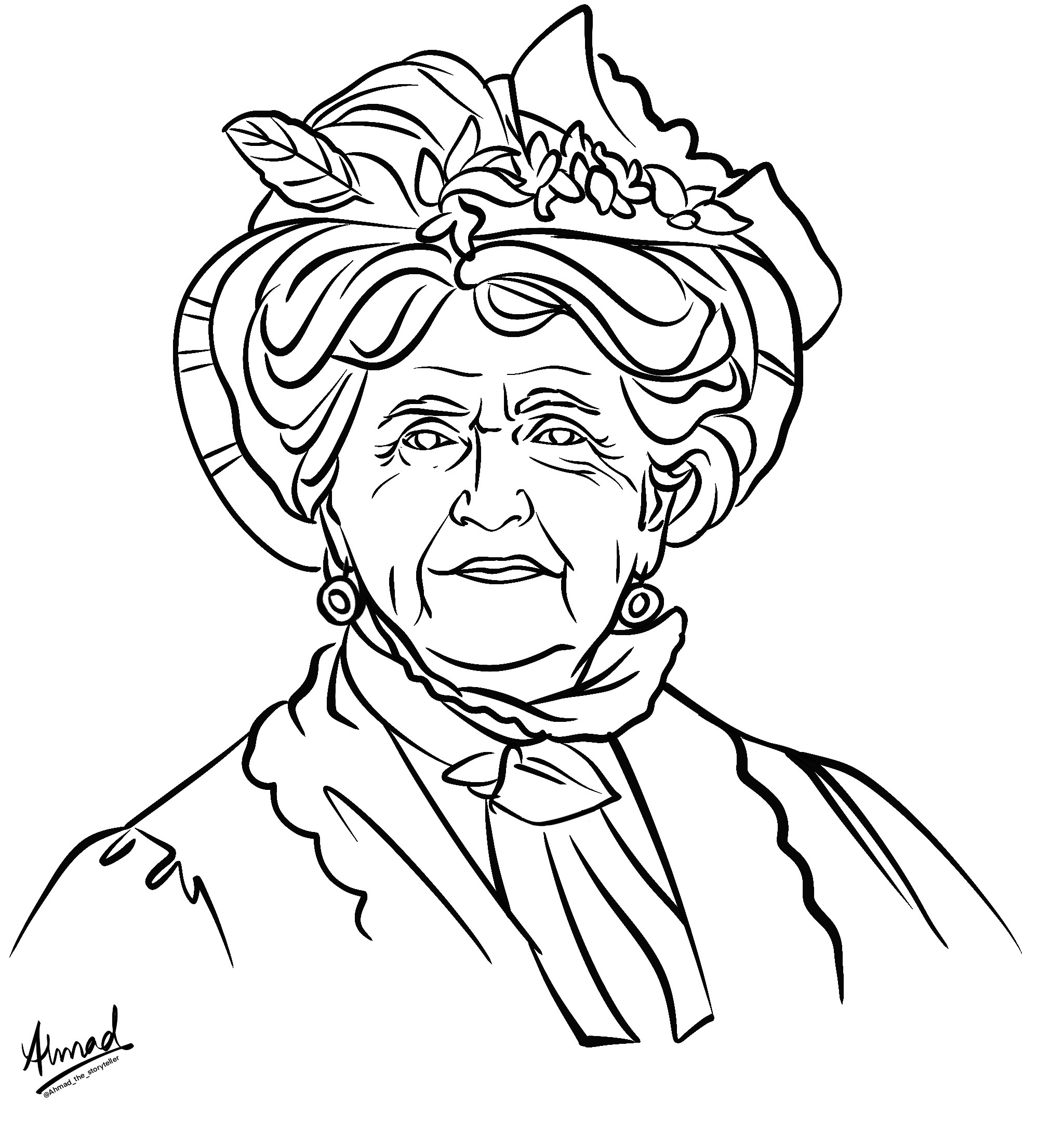
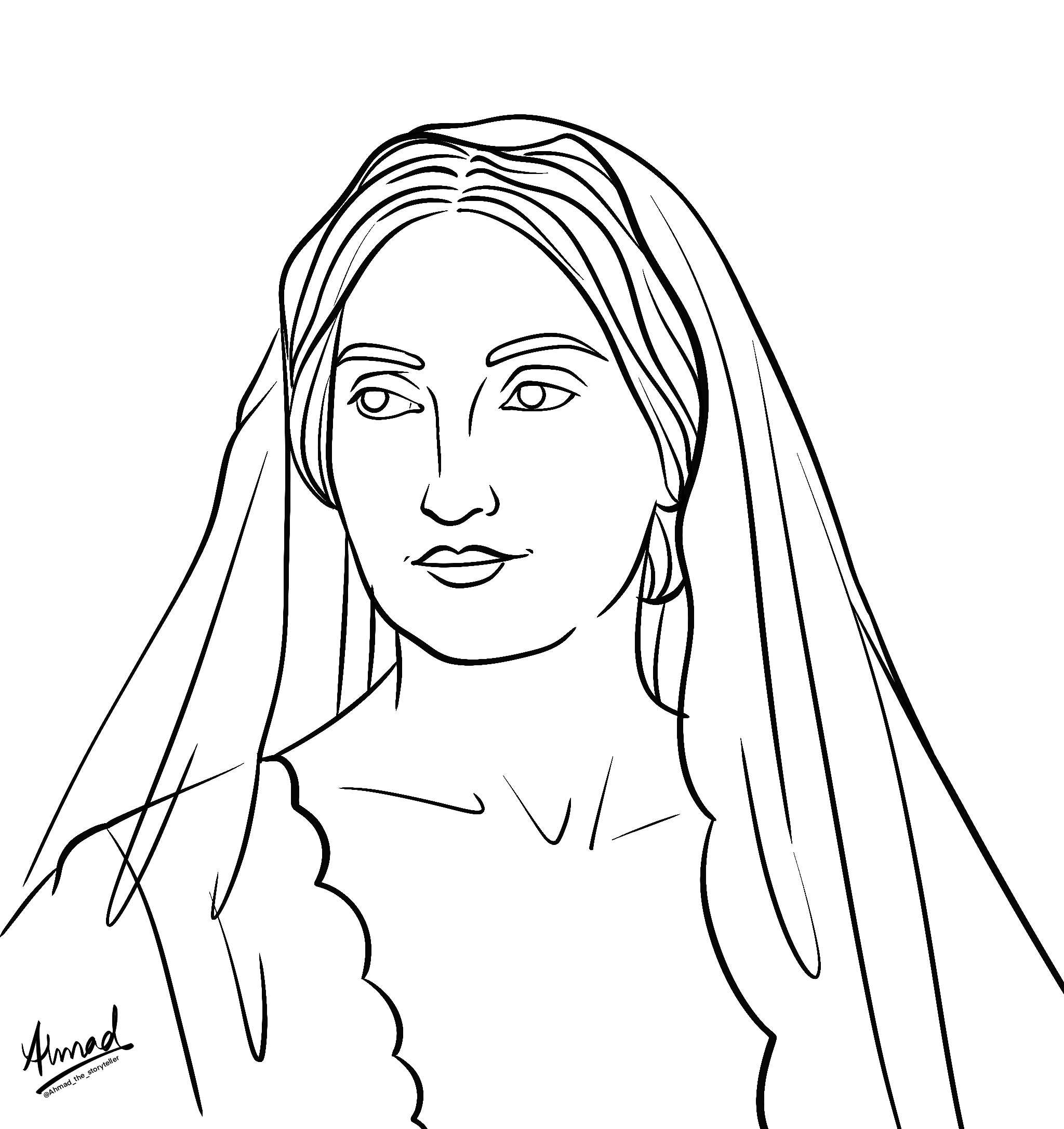
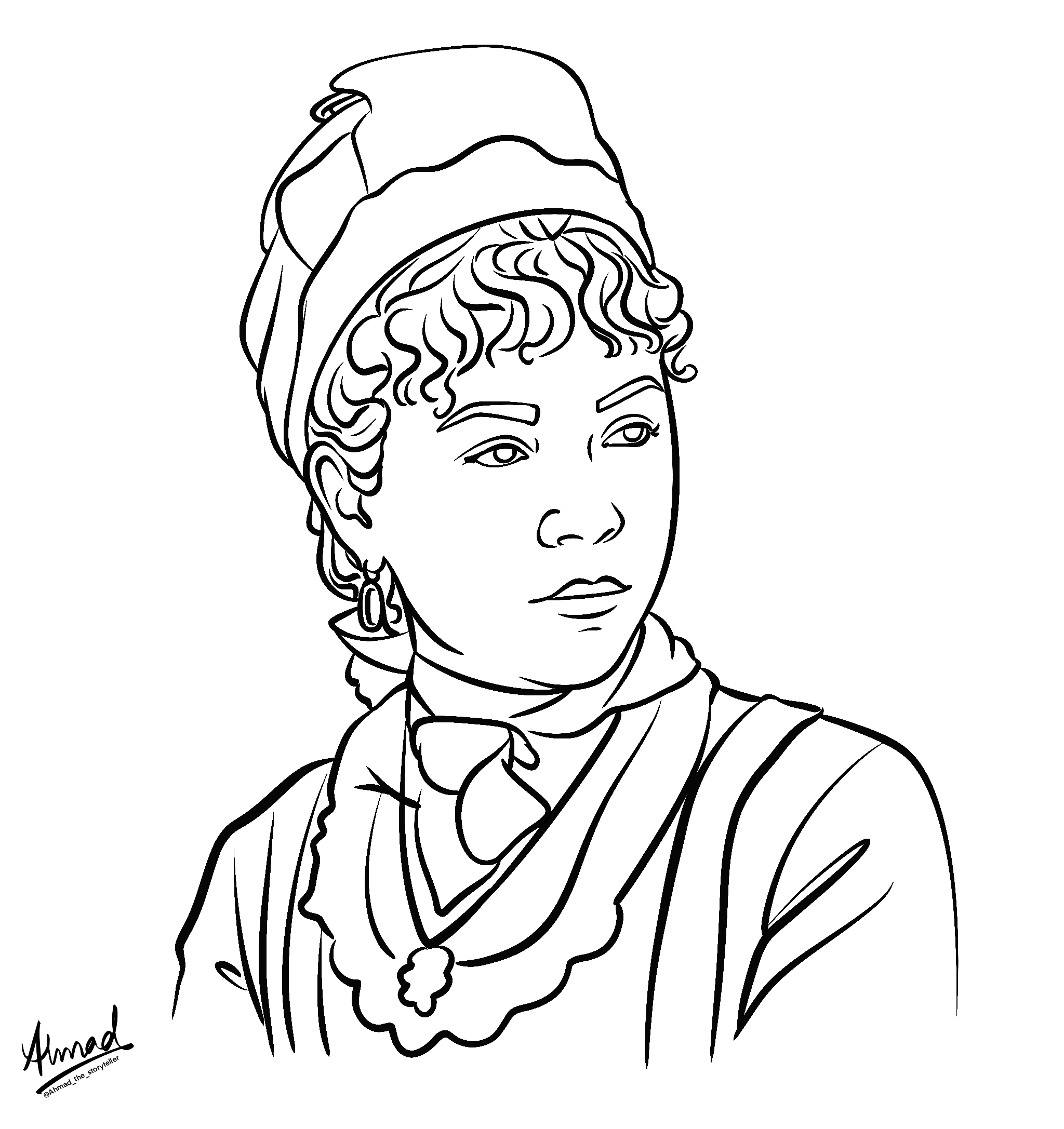
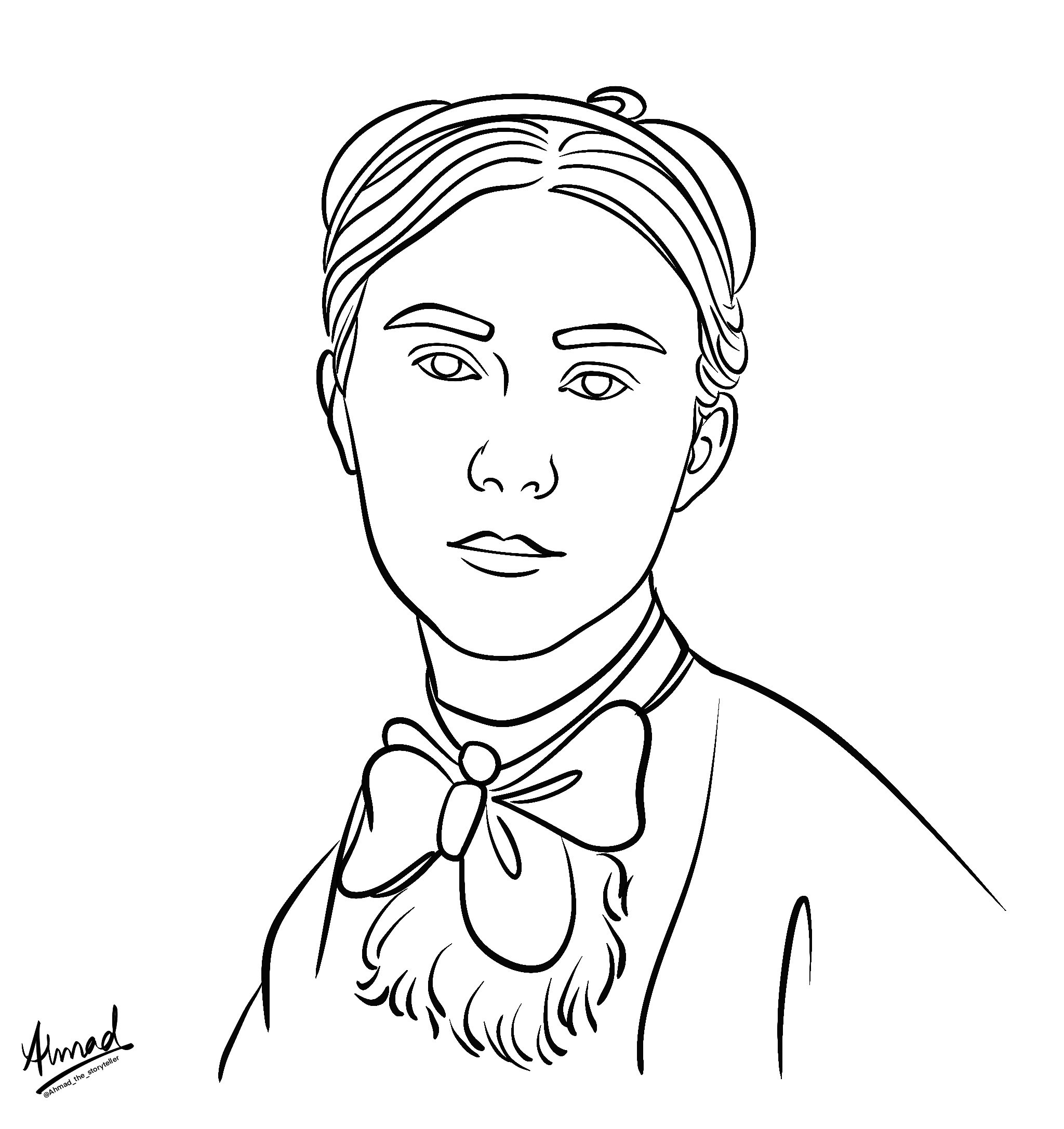
Portrait Gallery
Click on a portrait to read a short biography. Feel free to download any portrait for your own use.
Prison Reformer and Advocate for Discharged Prisoners
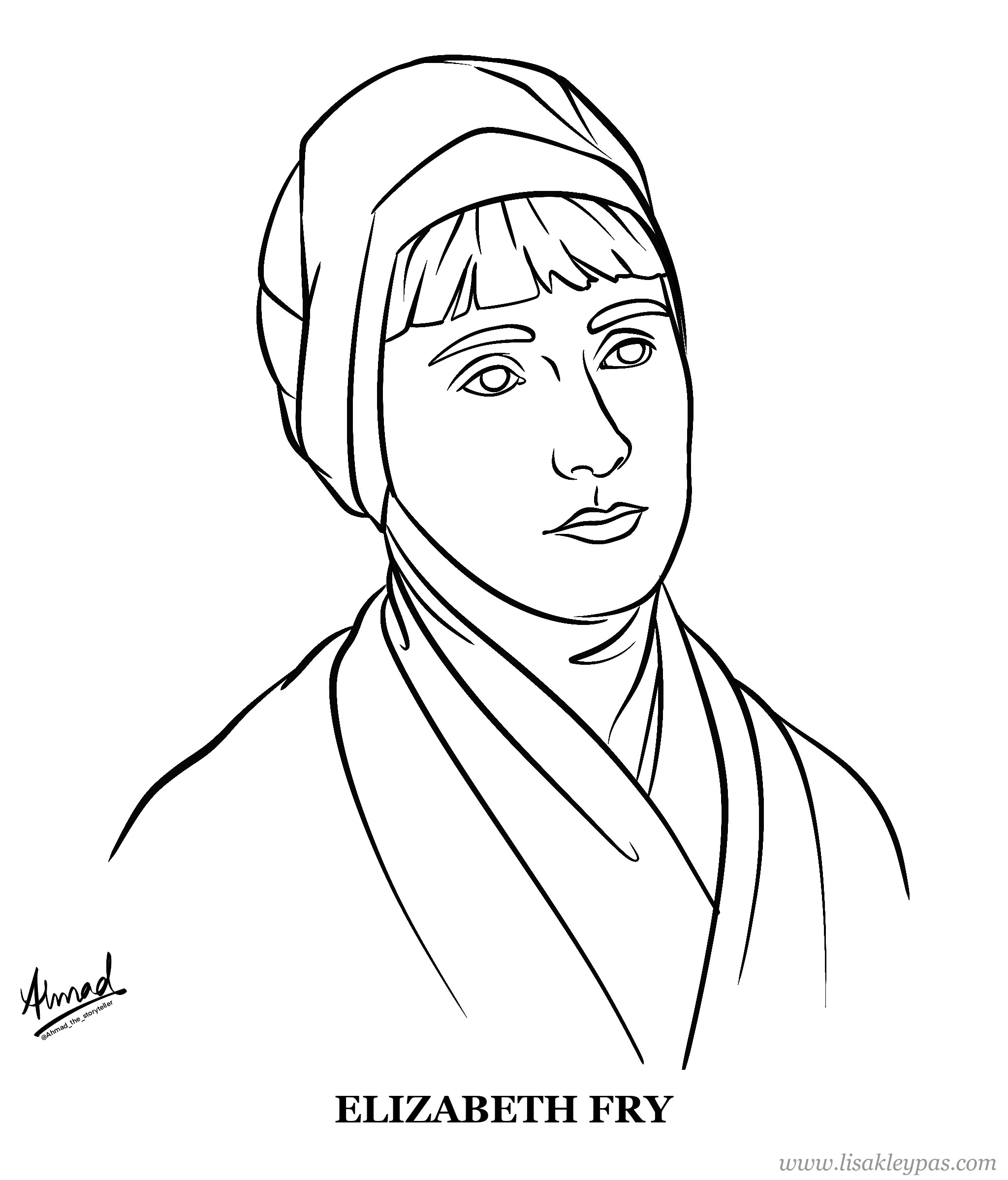
Elizabeth Fry, a Quaker and humanitarian, was the leading figure in Victorian prison reform. She founded the British Ladies' Society for the Reformation of Female Prisoners, and fought to provide humane conditions, rehabilitation, and aftercare for inmates. Her work helped to develop later parole and discharge support programs and was hugely influential in nineteenth-century social welfare.
Britain's First Female Doctor, Surgeon and Medical Educator
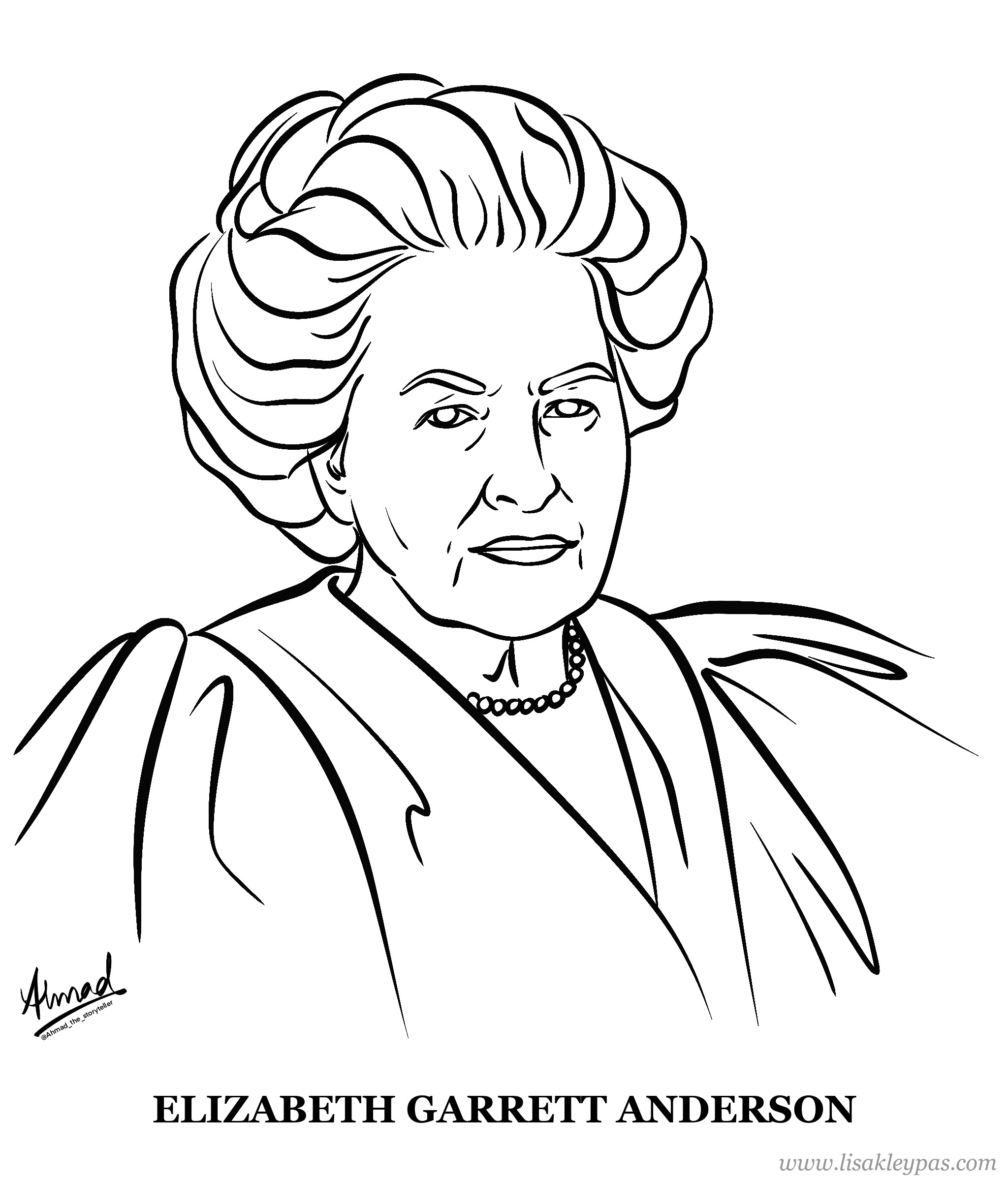
Elizabeth Garrett Anderson was the first woman to qualify as a doctor in Britain. After repeatedly being denied entry to British medical schools, she learned French so she could earn a medical degree at the Sorbonne in Paris. Despite all the obstacles established to prevent women from practicing medicine, she found a loophole that allowed her to qualify for a medical license through the Society of Apothecaries in 1865. (Afterward, of course, the loophole was promptly closed.)
For twenty years, Dr. Anderson was literally the only female member of the British Medical Association. Later, in 1874, she cofounded the London School of Medicine for Women. If all this weren't enough, she also became Britain's first female mayor (Aldeburgh, 1908) and campaigned for women's rights.
Dr. Anderson was a magnificent example of a woman who not only pursued a career but was also a beloved wife and mother.
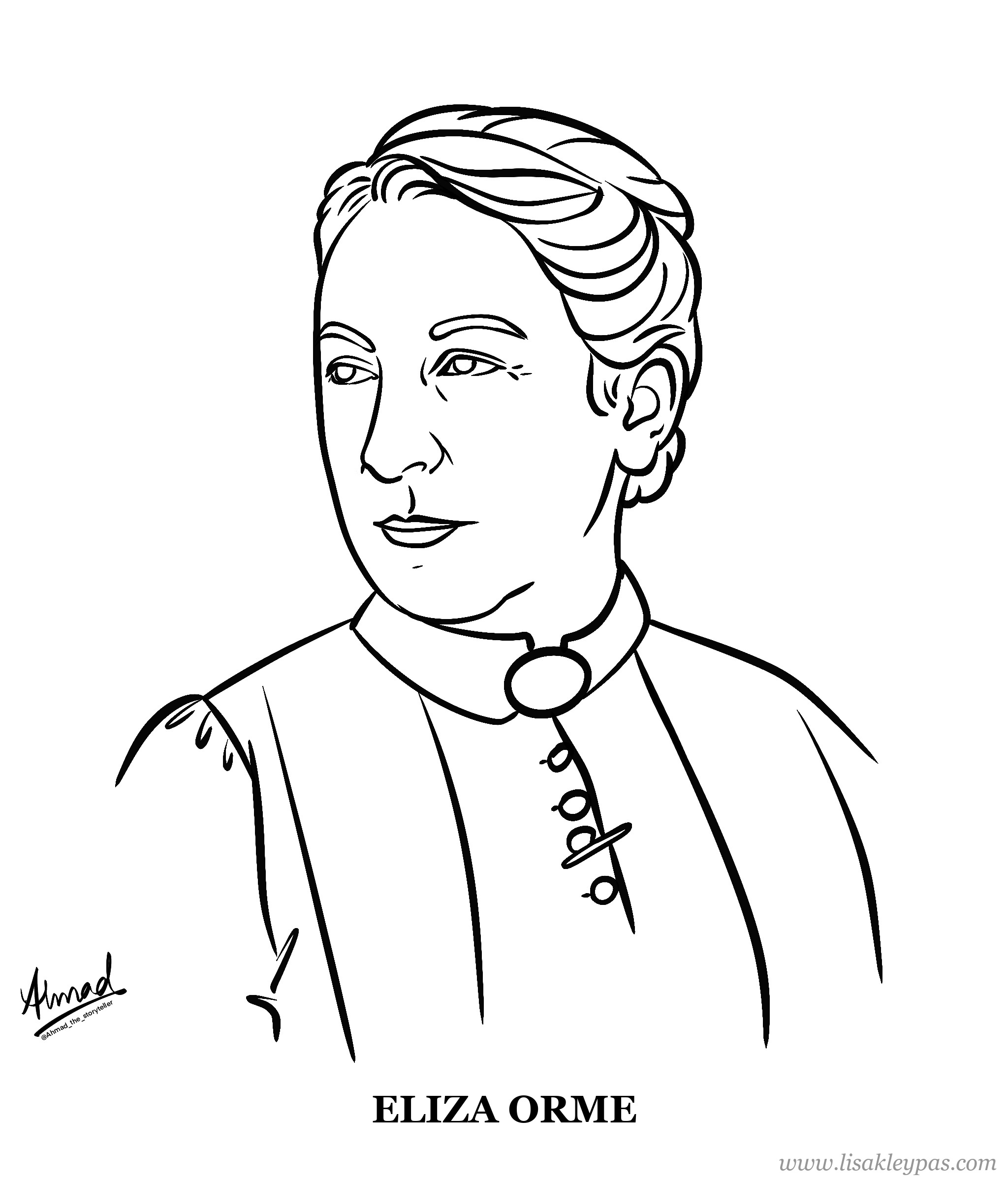
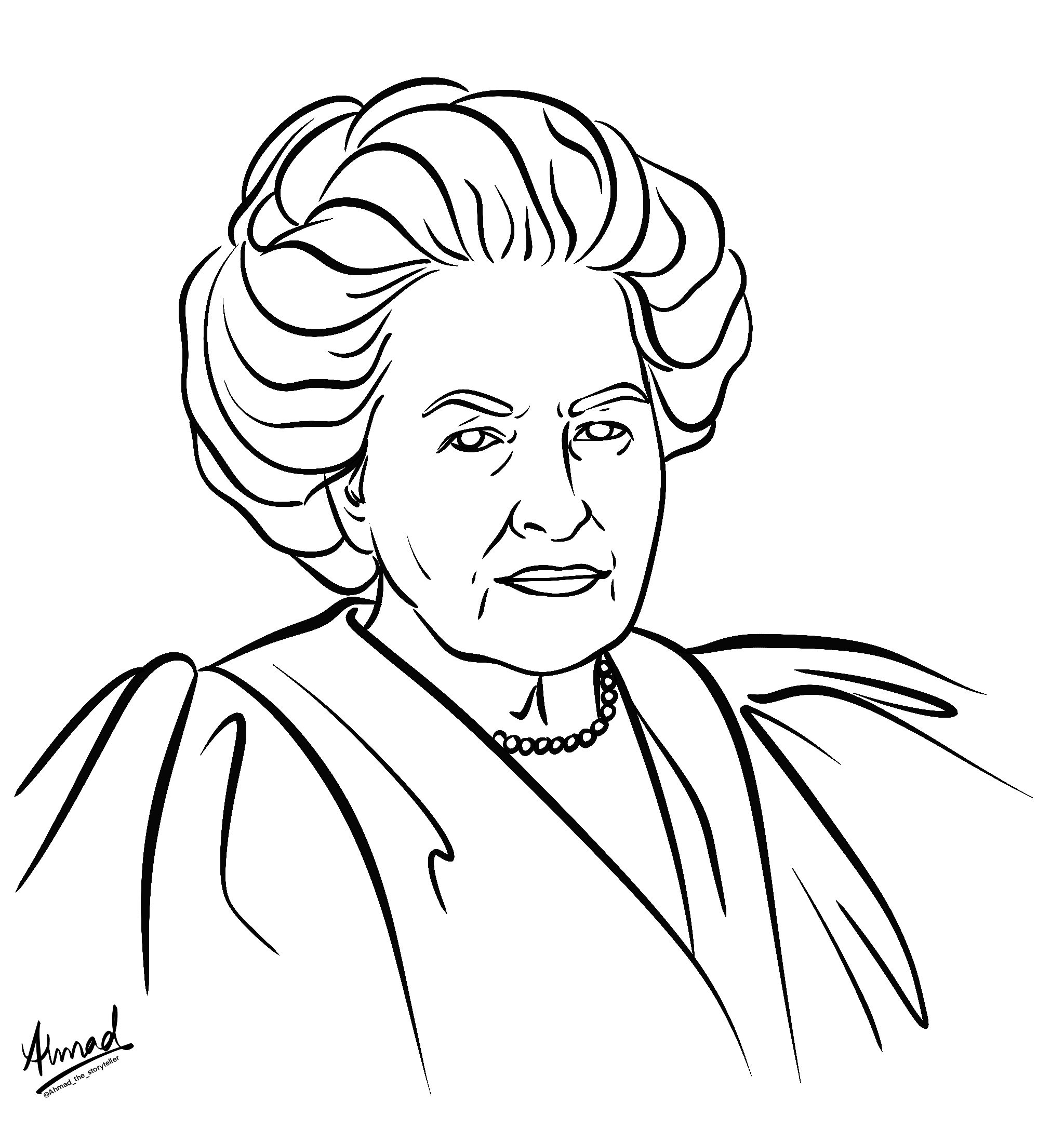
Eliza Orme graduated with a law degree from University College London in 1888 but was barred from law practice because the Inns of Court refused to call a woman to the bar. However, Orme found a workaround by becoming a legal conveyancer and patent agent. She ran her own office in Chancery Lane, preparing legal documents for male lawyers who were far less qualified than she was.
As a supporter of women's education and suffrage, Orme challenged the exclusion of women from the legal profession. Finally in 1919, the landmark Sex Disqualification (Removal) Act made it illegal to exclude women from professions or public office. Eliza Orme lived long enough to see women becoming lawyers, although by then she had retired.
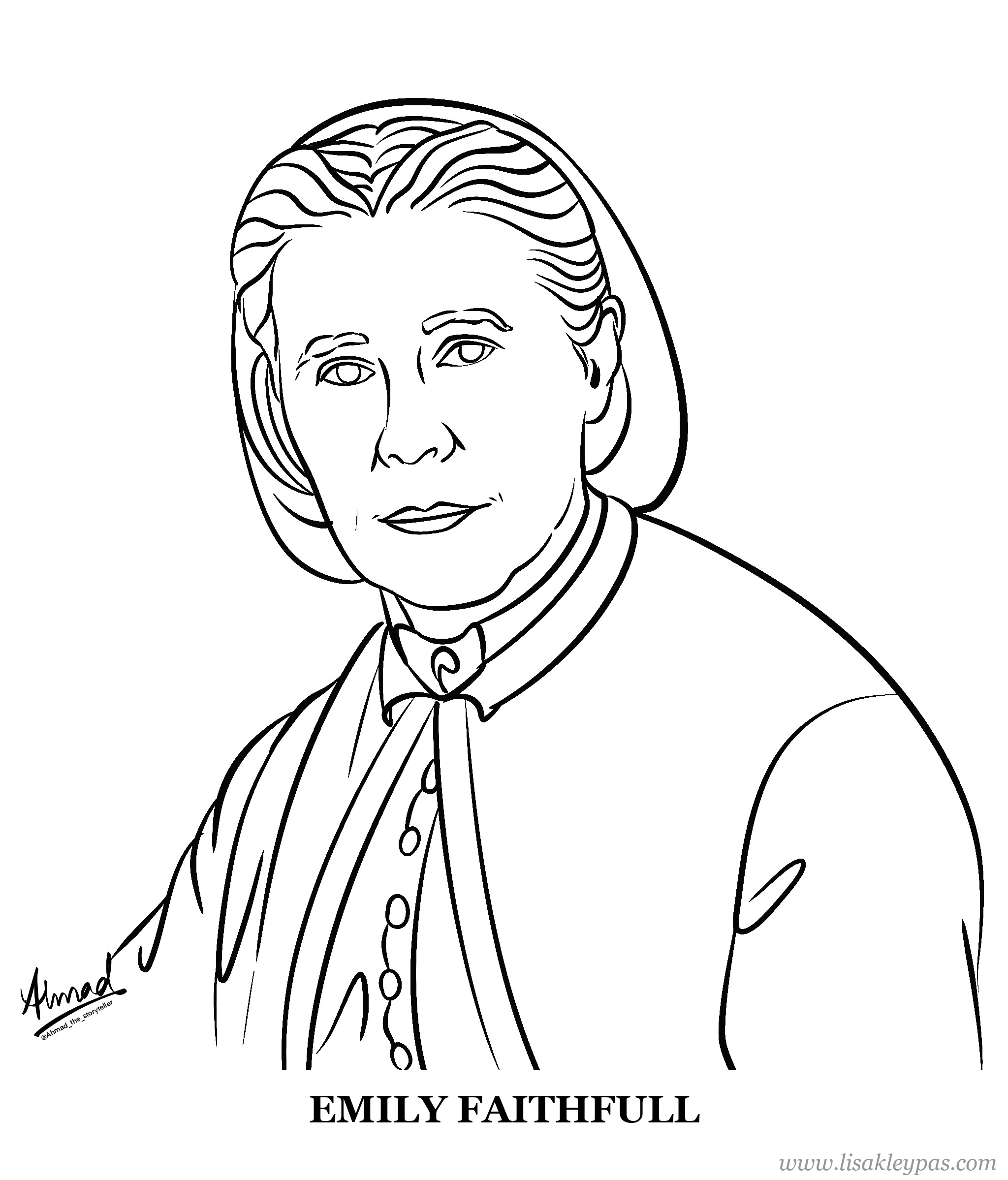
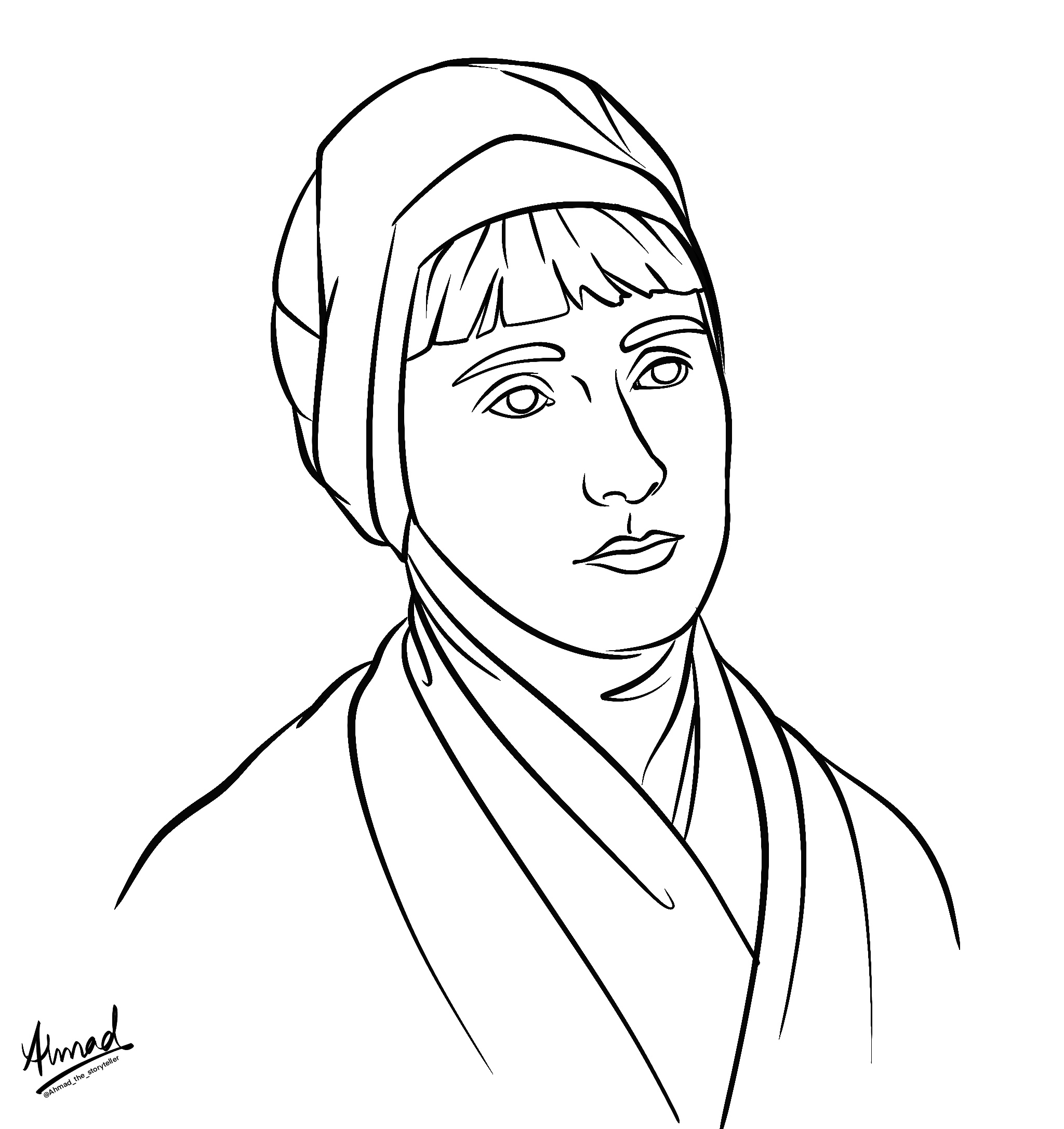
In 1860, Emily Faithfull broke into the male profession of publishing by founding the Victoria Press in London, where she trained and hired women as compositors, or typesetters. Her press published works by prominent feminists and reformers, including the English Woman's Journal. She gained such renown that Queen Victoria appointed her "Printer and Publisher in Ordinary"—a rare royal endorsement for a woman.
As a member of the feminist Langham Place Circle, Faithfull also toured as a public speaker to persuade people of the need for women's education and economic independence. Her inspiring career created new professional opportunities for women, and demonstrated the talent and excellence they could bring to the publishing profession.
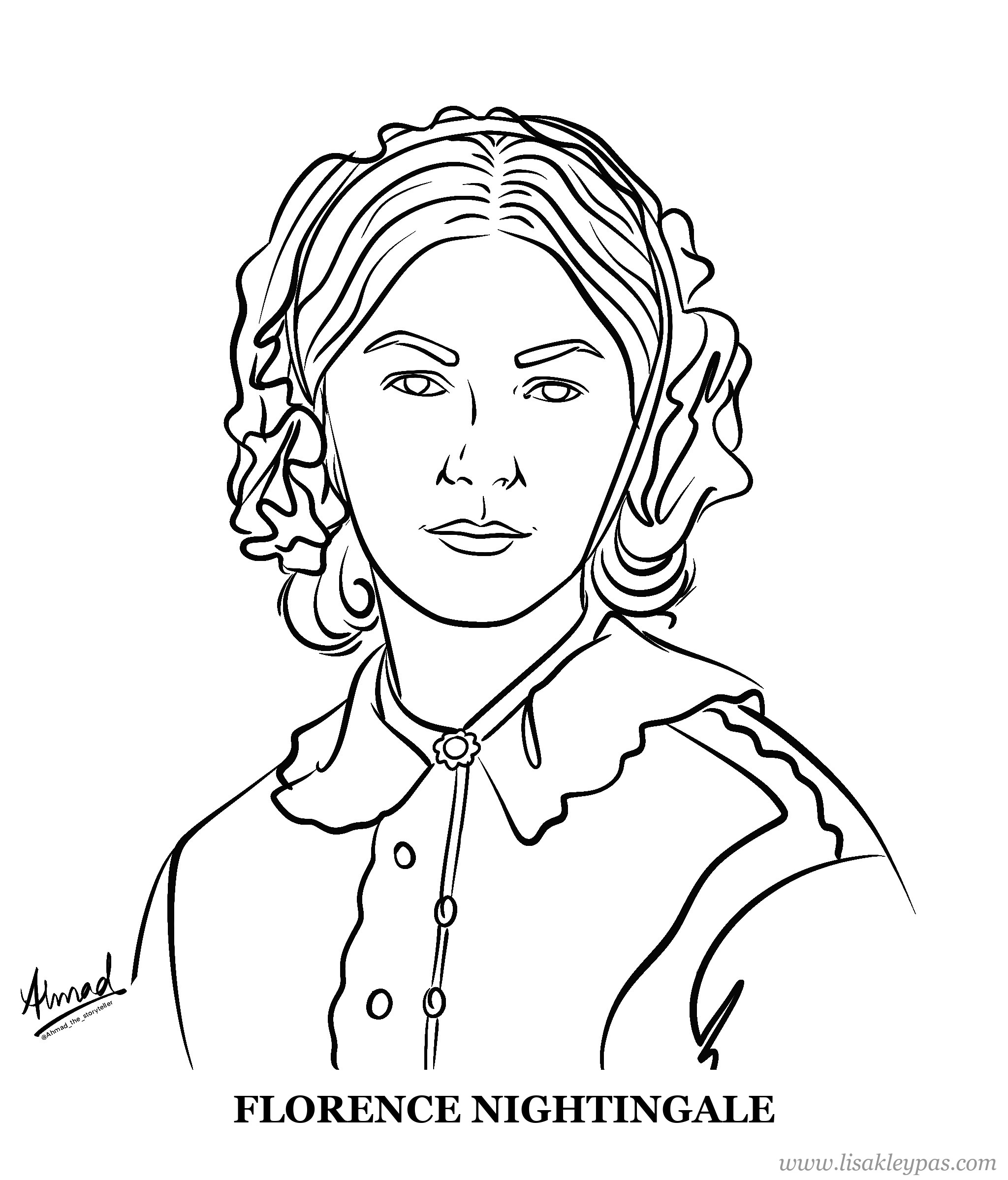
Founder of Modern Nursing and Pioneer of Statistical Science
Florence Nightingale is known for modernizing the profession of nursing during the Crimean War. But after that, she went on to become a groundbreaking statistician who used charts and graphs to help the public understand complex data about health and hygiene. In other words, she invented infographics of the type we now see in USA Today. As a result of her analytical brilliance, she became the first female fellow of the Royal Statistical Society.
Her visual and statistical reports persuaded the British government to reform army medical care, and later shaped civilian hospital design and sanitation. Miss Nightingale's legacy not only laid the foundation for modern nursing but also demonstrated how to use statistics as a powerful tool for social change.
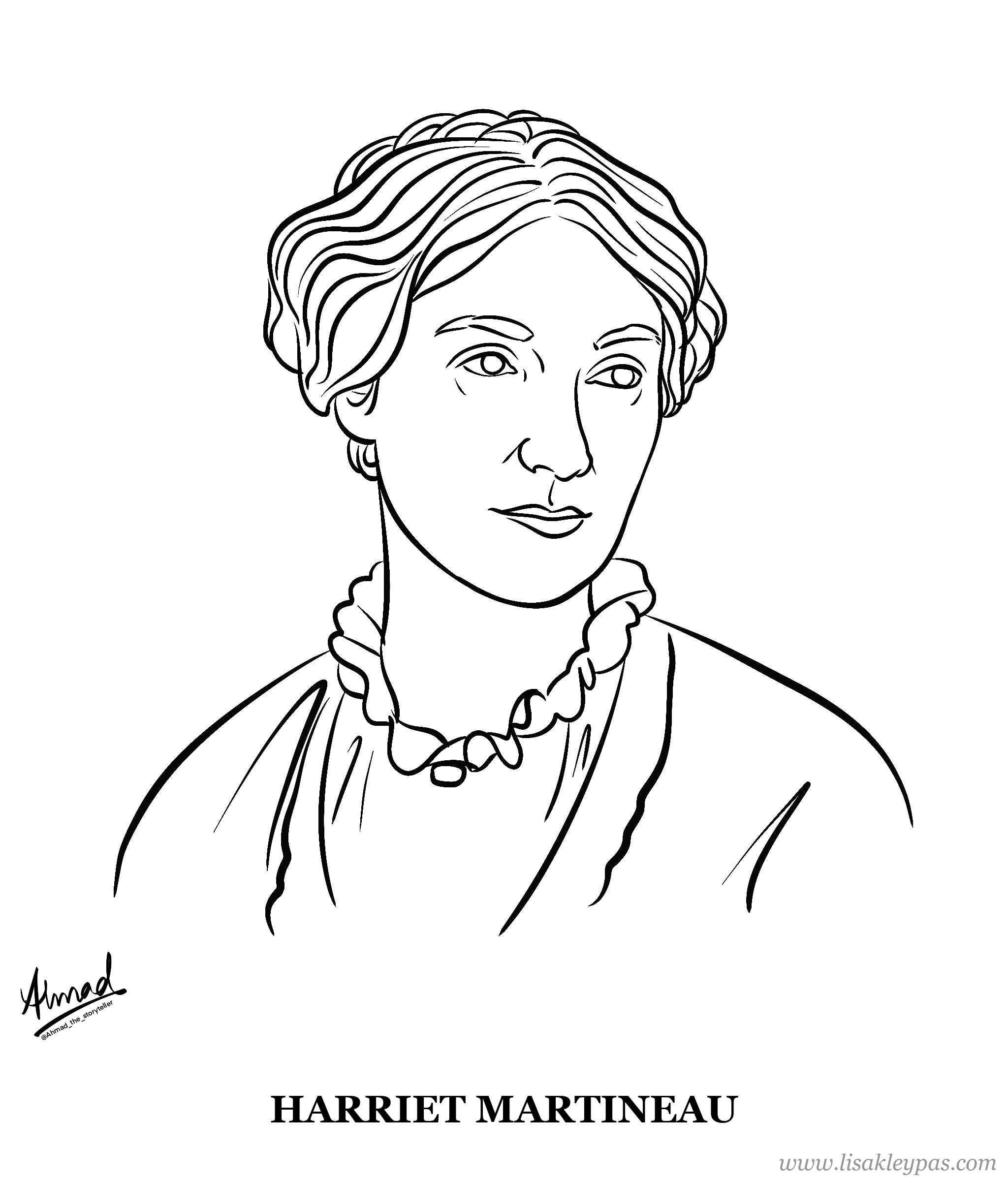
The astounding polymath Harriet Martineau was a pioneering social theorist and bestselling author whose books delved into the fields of philosophy, ethics, feminism, history, literature, religion, and political economy. Her Illustrations of Political Economy (1832–34) introduced economic ideas to a broad audience.
She was a regular contributor to The Daily News (founded by Charles Dickens) and covered politics, international affairs and social reform. After going deaf in her twenties, she also worked in disability advocacy.
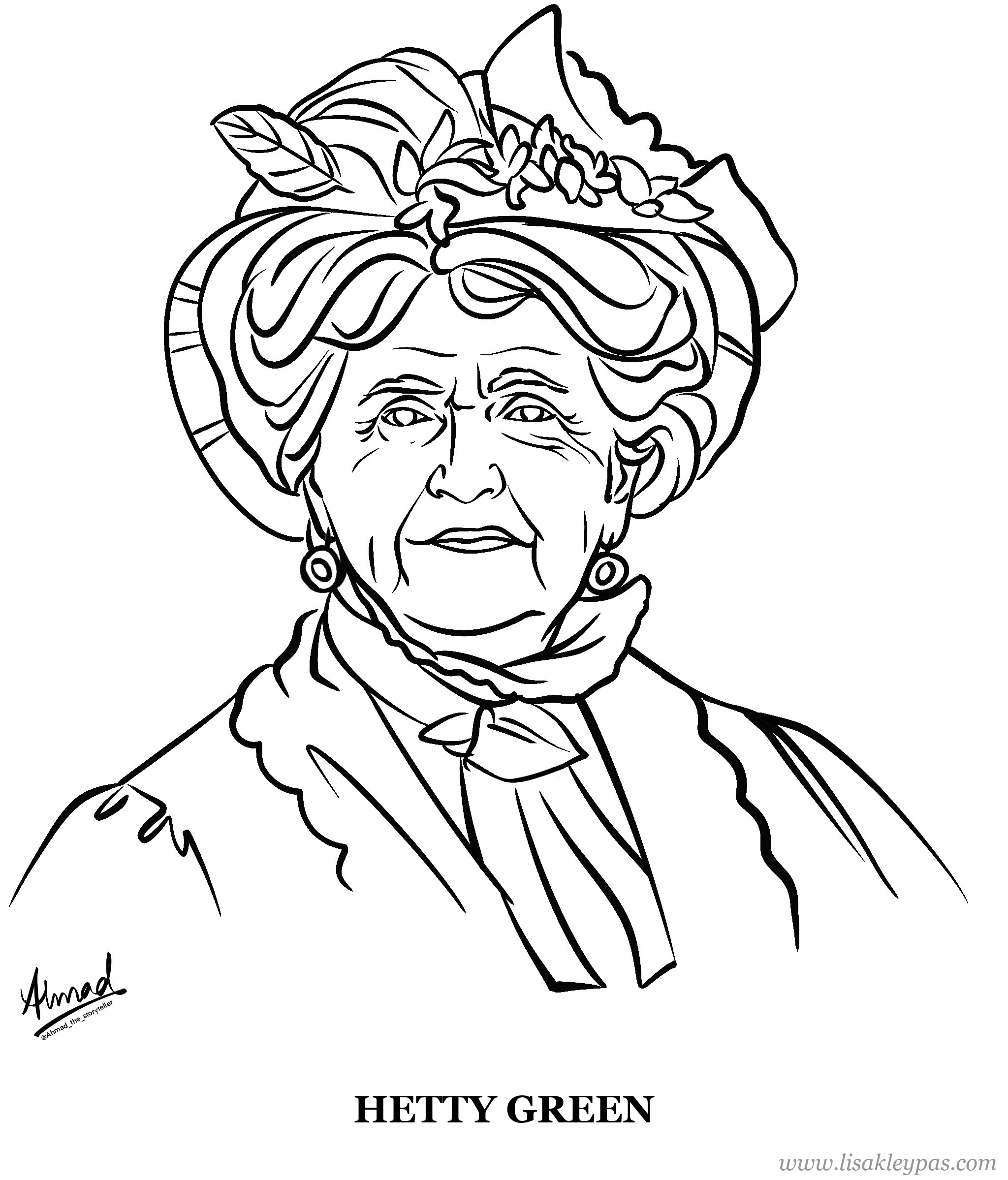
Hetty Green, an American financial titan, was the most successful speculator—male or female—in the late nineteenth century. Known for her common-sense investment strategy, Green was respected in monetary circles on both sides of the Atlantic. In the U.S. banking crisis of 1907, she single-handedly bailed out the entire city of New York with a personal loan to keep city services running, including salaries for teachers and police.
The press never missed a chance to portray her as eccentric and unlikable, choosing to focus on personality rather than achievement. However, she remains a rare example of a woman reaching the pinnacle of high finance in a male-dominated era—despite never being allowed to join New York City's elite men-only financial clubs.
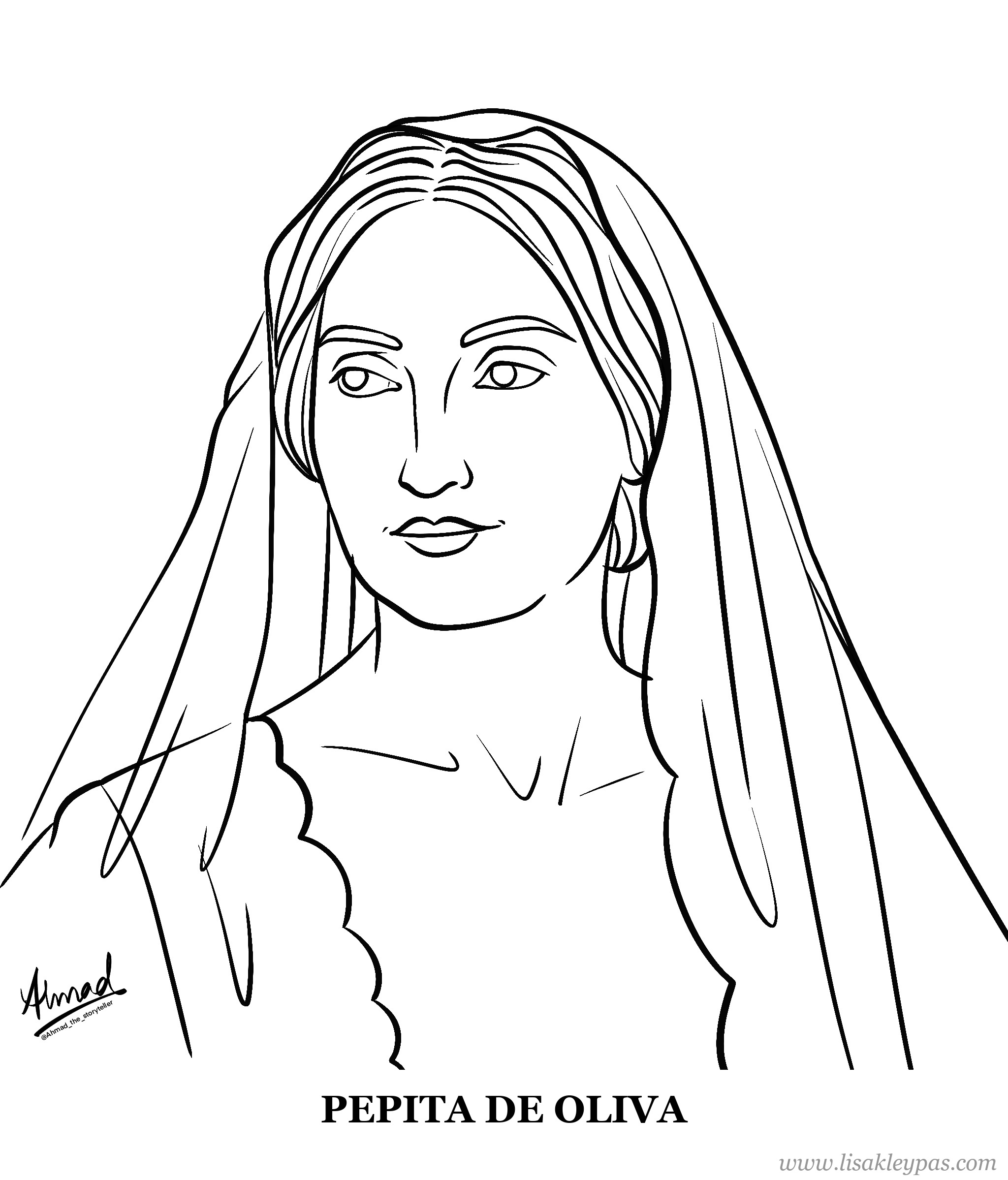
Pepita de Oliva, born in Málaga, was one of the most acclaimed Spanish dancers of the Victorian era. Touring across Europe, she captivated audiences with her elegant Andalusian performances. Later she became the companion of British diplomat Lionel Sackville-West, with whom she had a lifelong relationship. She gave birth to seven children, one of whom became the mother of novelist Vita Sackville-West.
First Black Woman to Found and Run a Bank in the U.S.
The remarkable Maggie Lena Walker, a teacher and civil rights activist, became the first Black woman in the U.S. to charter and serve as president of a bank—the St. Luke Penny Savings Bank. Her leadership inspired women to pursue financial autonomy and economic justice in places all around the world, including Britain.
She became a success despite overwhelming odds, at a time of systemic misogyny and Jim Crow exclusion. In her keen understanding of women's need for economic independence, she taught them financial literacy and helped them become entrepreneurs.
Mary Cassatt broke through the barriers of the overwhelmingly male-dominated art world in the Victorian era, exhibiting her works alongside Degas and Monet. She applied her fearless talent in the creation of a distinctly female perspective within the Impressionist movement. Her radiant paintings of women and children in domestic scenes were radical in their assertion of the importance of women's private lives.
She went on to mentor other female artists, and encouraged women to support and collect modern art. In 1915, despite her failing eyesight, she helped organize an exhibition to benefit women's suffrage. Her inspiring career paved a pathway for female artists to be taken seriously.
Mary Paley Marshall, a Cambridge-educated economist, passed her final examinations with honors but, as a woman, wasn't allowed to formally graduate and receive a degree. Nevertheless, at the age of twenty-five she became the first female lecturer at Cambridge University. She went on to teach at University College Bristol, and Oxford University.
After she married economist Alfred Marshall, they co-authored The Economics of Industry in 1879. According to John Maynard Keynes (the father of macroeconomics), Mary Paley Marshall was every bit as significant as her (far more famous) husband to the historical development of economics.
Early Founder of Savings Institutions and Women's Advocate
A Quaker reformer and writer, Priscilla Wakefield was a pioneer of female-led economic philanthropy. In 1801, she helped establish one of England's first savings banks for working-class women and children. Her writings on education and economics argued for women's intellectual equality and financial independence, making her a key figure in the pre-Victorian reform movement.
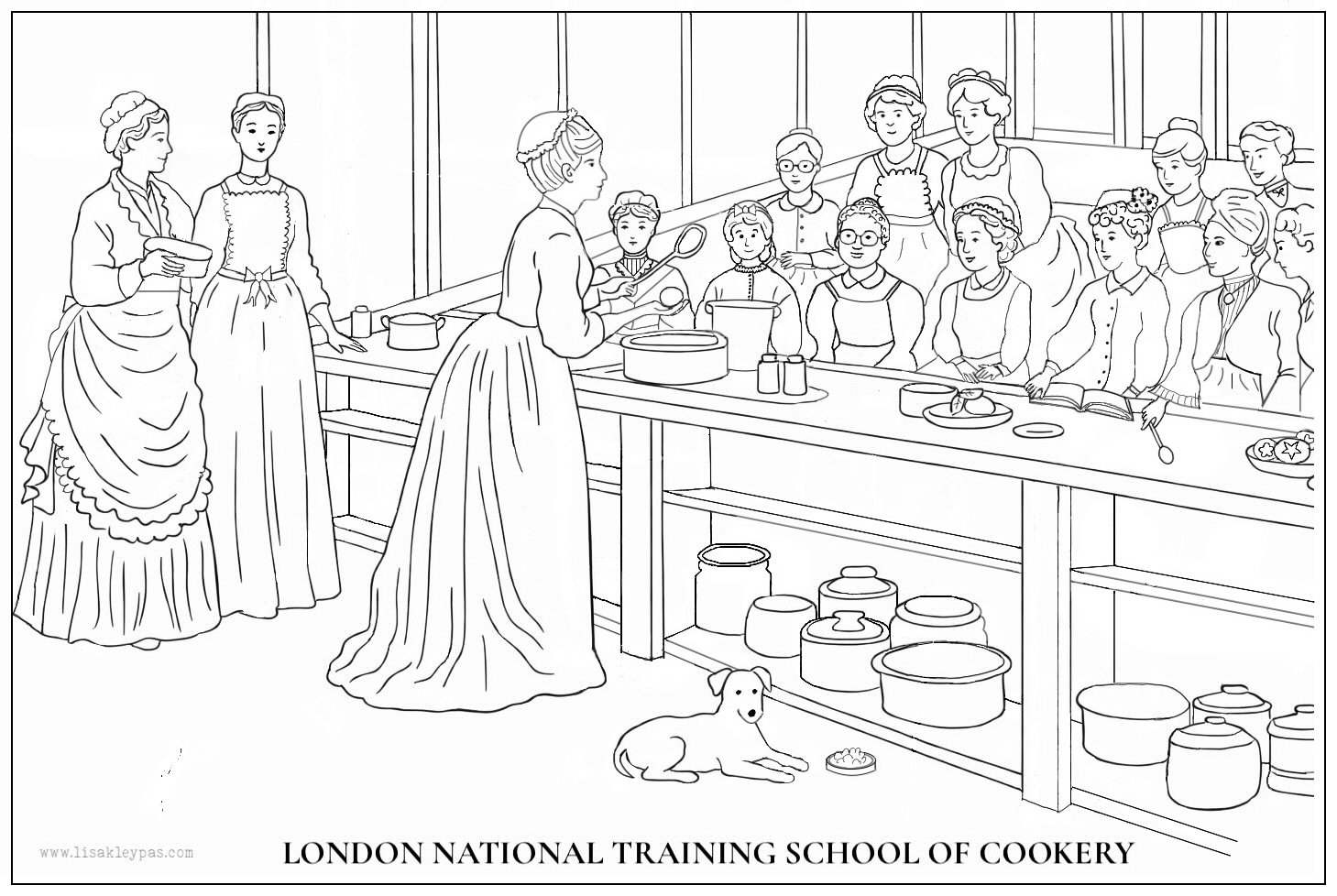
The London National Training School of Cookery, founded in 1873, was a pioneering institution in culinary and domestic education. Staffed primarily by women, the school provided courses in cookery, hygiene, and household economy.
Many of the students went on to become culinary teachers, writers, and reformers. This groundbreaking institution laid the foundation for modern culinary education and opened new career paths and possibilities for Victorian-era women.
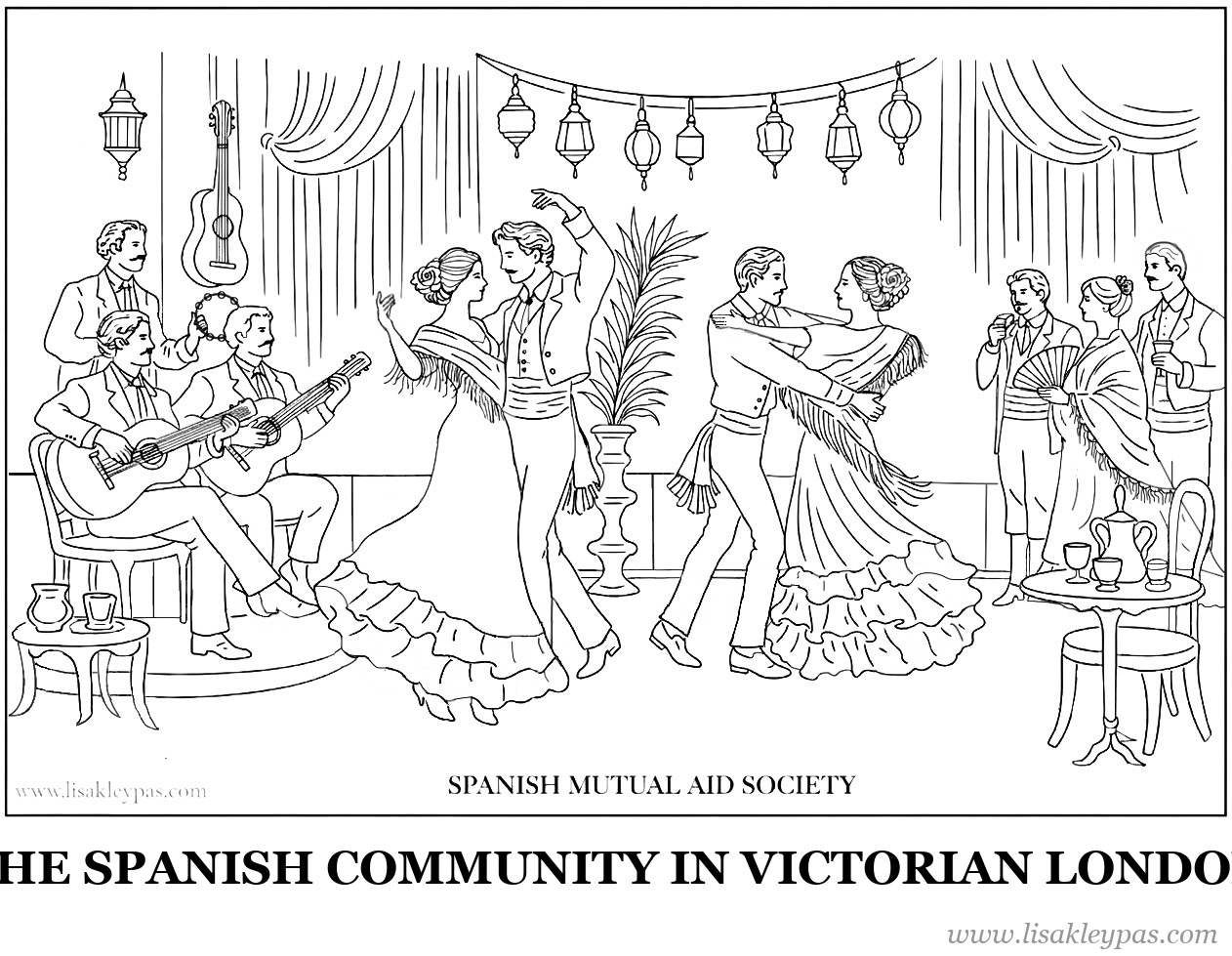
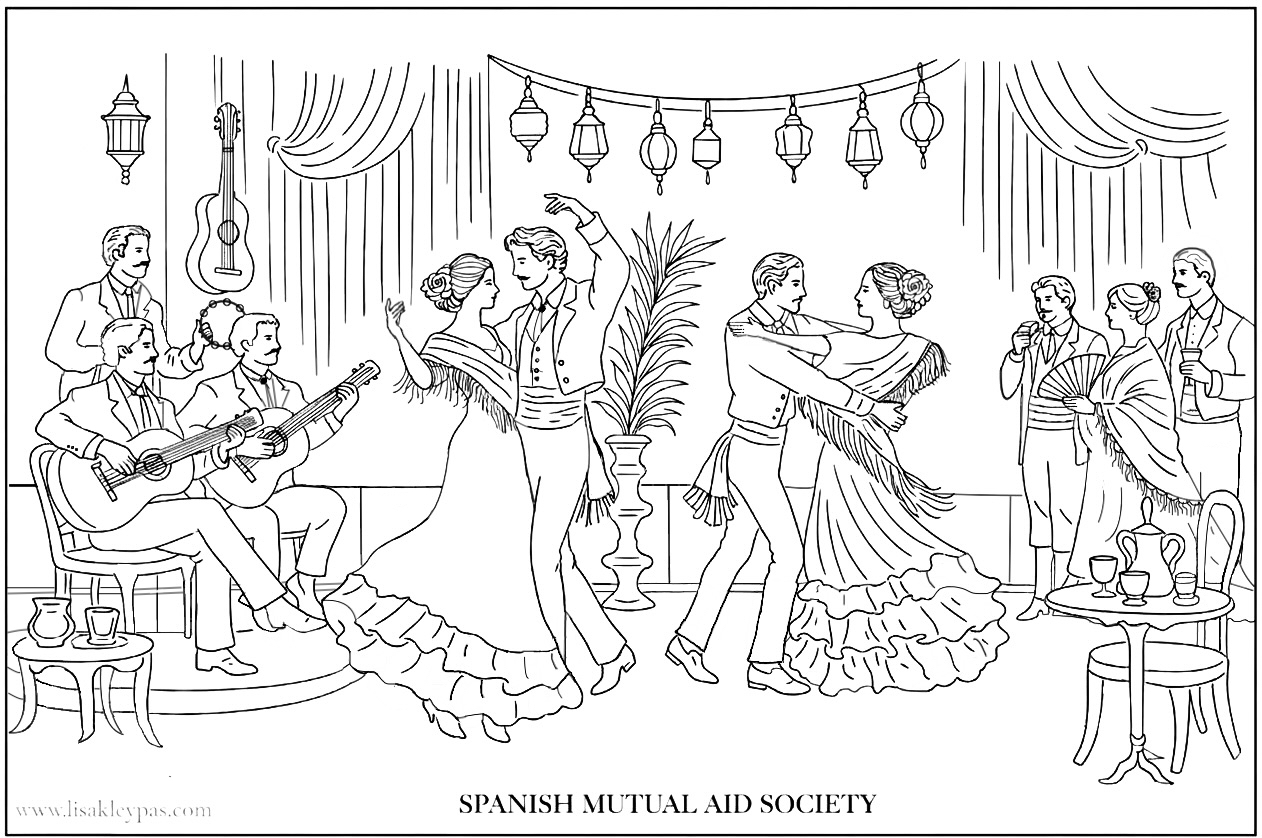
This community became home to thousands of Spanish political exiles, artists, writers, artisans, and business people. Thanks to their dynamic influence, Spanish culture, food, and music became well-known and admired in London. The Sociedad Española de Socorros Mutuos (Spanish Mutual Aid Society) was founded in the metropolis in the early nineteenth century. This vibrant community helped each other financially and socially, and set aside class boundaries as they stuck together during times of hardship. They held charity events and social functions, where everyone from the Spanish ambassador down to the newly arrived immigrants would mingle.
The Spanish characters in Queen of Lombard Street gave the novel a vibrant and unique flavor. While visiting Spain for a book tour in the early 2000s, I was thrilled to spend time with my Spanish readers, who were incredibly smart, funny, and well-read. I've never forgotten them. They all had a part in creating Reina and other characters in the novel.
To experience a visit to the 1880 cooking school, or an exciting night in Spanish London, reserve your copy.
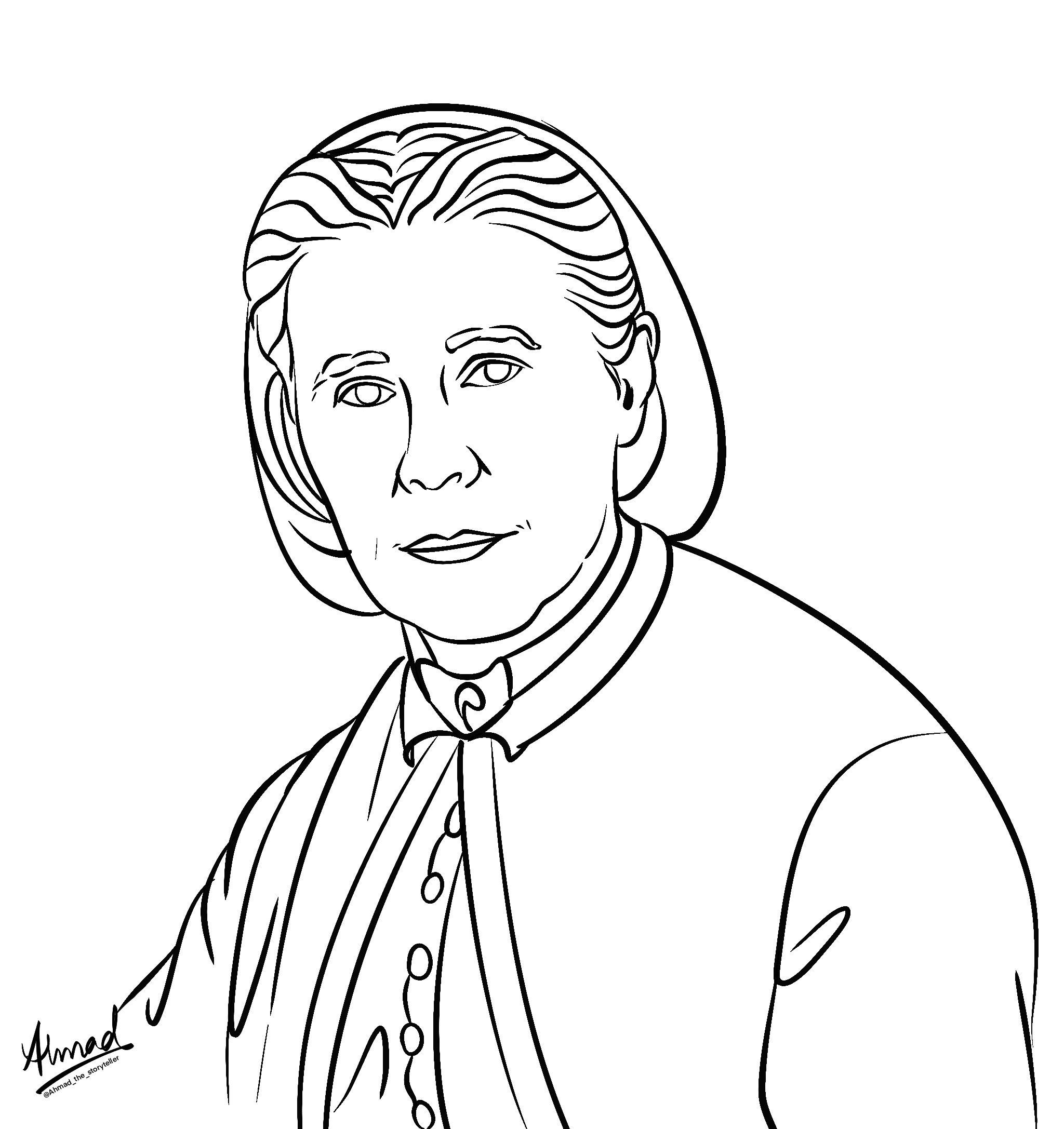
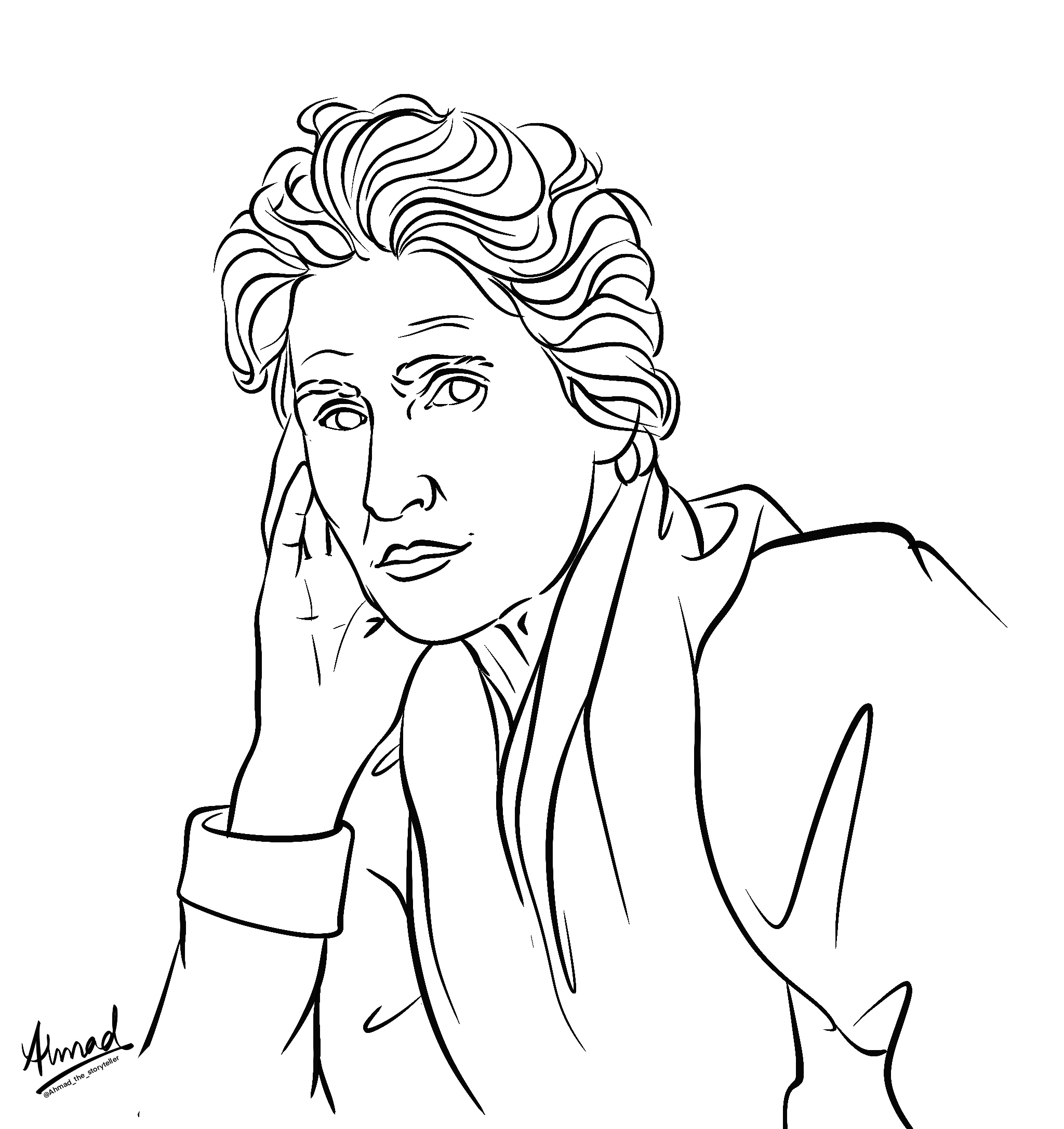
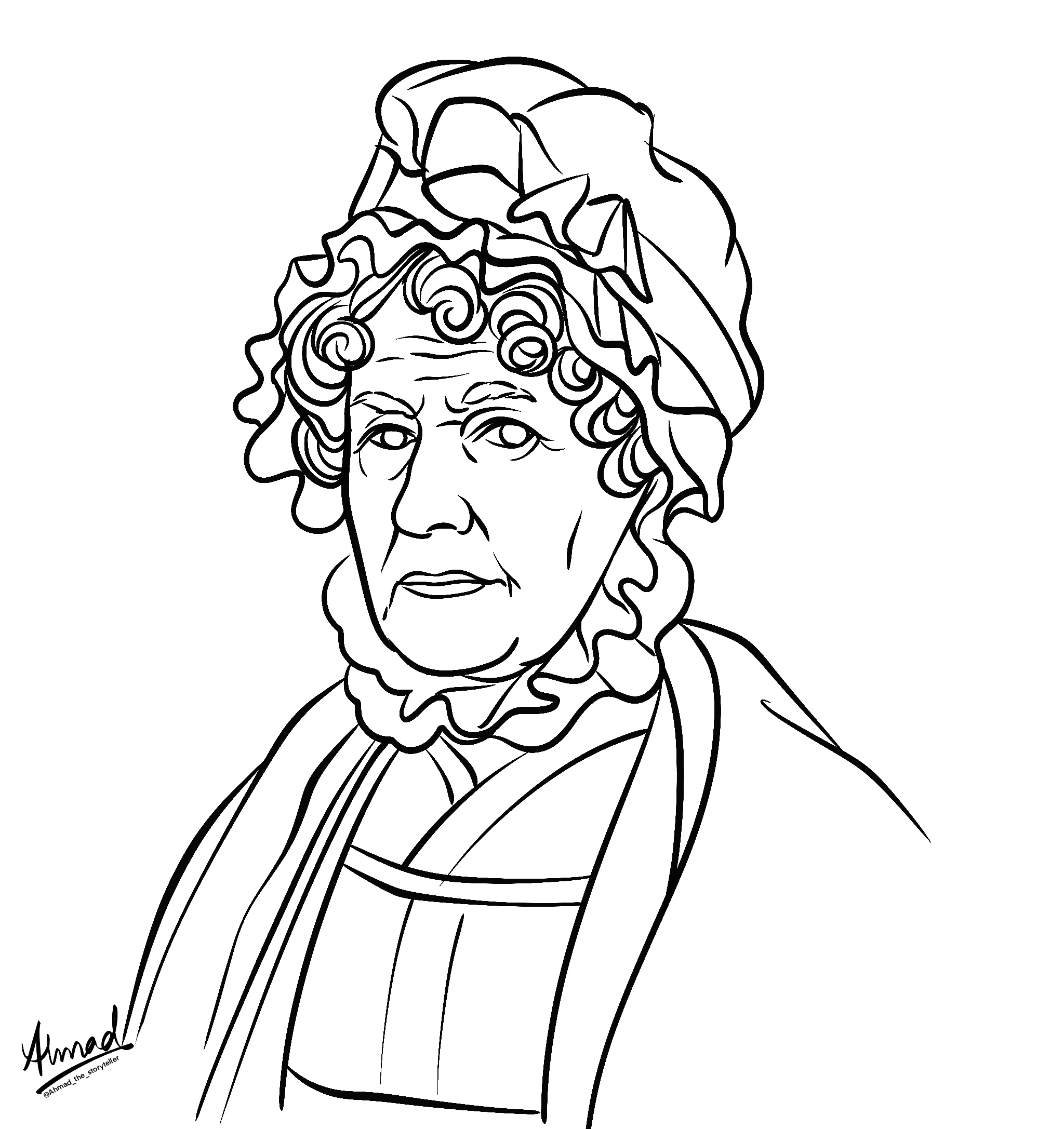
Elizabeth Fry(1780–1845)Prison Reformer and Advocate for Discharged Prisoners
Elizabeth Fry
+ Tap to read biography
Elizabeth Fry, a Quaker and humanitarian, was the leading figure in Victorian prison reform. She founded the British Ladies' Society for the Reformation of Female Prisoners, and fought to provide humane conditions, rehabilitation, and aftercare for inmates. Her work helped to develop later parole and discharge support programs and was hugely influential in nineteenth-century social welfare.
Elizabeth Garrett Anderson(1836–1917)Britain's First Female Doctor, Surgeon and Medical Educator
Elizabeth Garrett Anderson
+ Tap to read biography
Elizabeth Garrett Anderson was the first woman to qualify as a doctor in Britain. After repeatedly being denied entry to British medical schools, she learned French so she could earn a medical degree at the Sorbonne in Paris. Despite all the obstacles established to prevent women from practicing medicine, she found a loophole that allowed her to qualify for a medical license through the Society of Apothecaries in 1865. (Afterward, of course, the loophole was promptly closed.)
For twenty years, Dr. Anderson was literally the only female member of the British Medical Association. Later, in 1874, she cofounded the London School of Medicine for Women. If all this weren't enough, she also became Britain's first female mayor (Aldeburgh, 1908) and campaigned for women's rights.
Dr. Anderson was a magnificent example of a woman who not only pursued a career but was also a beloved wife and mother.
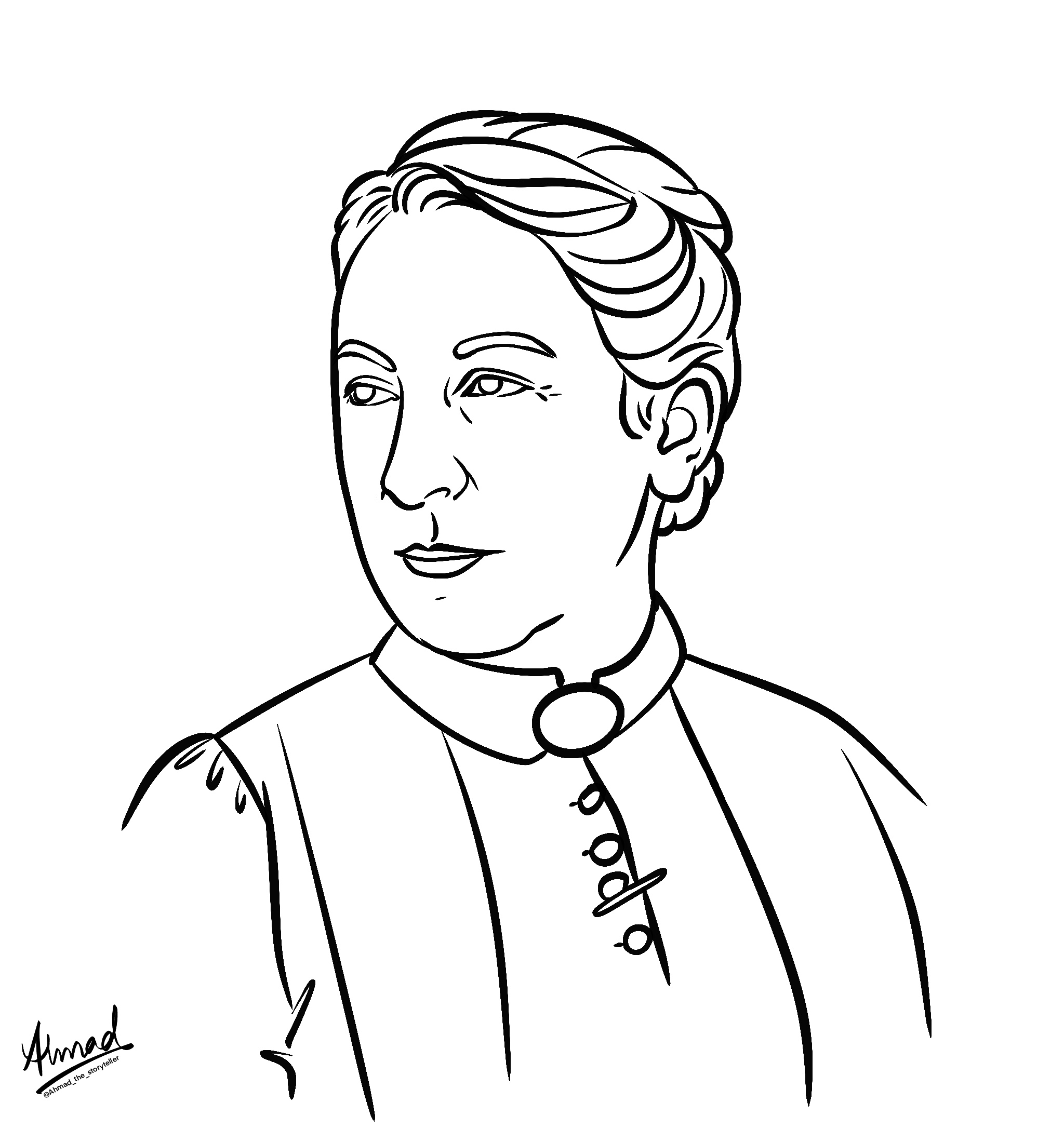
Eliza Orme(1848–1937)First Woman to Earn a Law Degree in England
Eliza Orme
+ Tap to read biography
Eliza Orme graduated with a law degree from University College London in 1888 but was barred from law practice because the Inns of Court refused to call a woman to the bar. However, Orme found a workaround by becoming a legal conveyancer and patent agent. She ran her own office in Chancery Lane, preparing legal documents for male lawyers who were far less qualified than she was.
As a supporter of women's education and suffrage, Orme challenged the exclusion of women from the legal profession. Finally in 1919, the landmark Sex Disqualification (Removal) Act made it illegal to exclude women from professions or public office. Eliza Orme lived long enough to see women becoming lawyers, although by then she had retired.
Emily Faithfull(1835–1895)Publisher, Printer, and Author
Emily Faithfull
+ Tap to read biography
In 1860, Emily Faithfull broke into the male profession of publishing by founding the Victoria Press in London, where she trained and hired women as compositors, or typesetters. Her press published works by prominent feminists and reformers, including the English Woman's Journal. She gained such renown that Queen Victoria appointed her "Printer and Publisher in Ordinary"—a rare royal endorsement for a woman.
As a member of the feminist Langham Place Circle, Faithfull also toured as a public speaker to persuade people of the need for women's education and economic independence. Her inspiring career created new professional opportunities for women, and demonstrated the talent and excellence they could bring to the publishing profession.
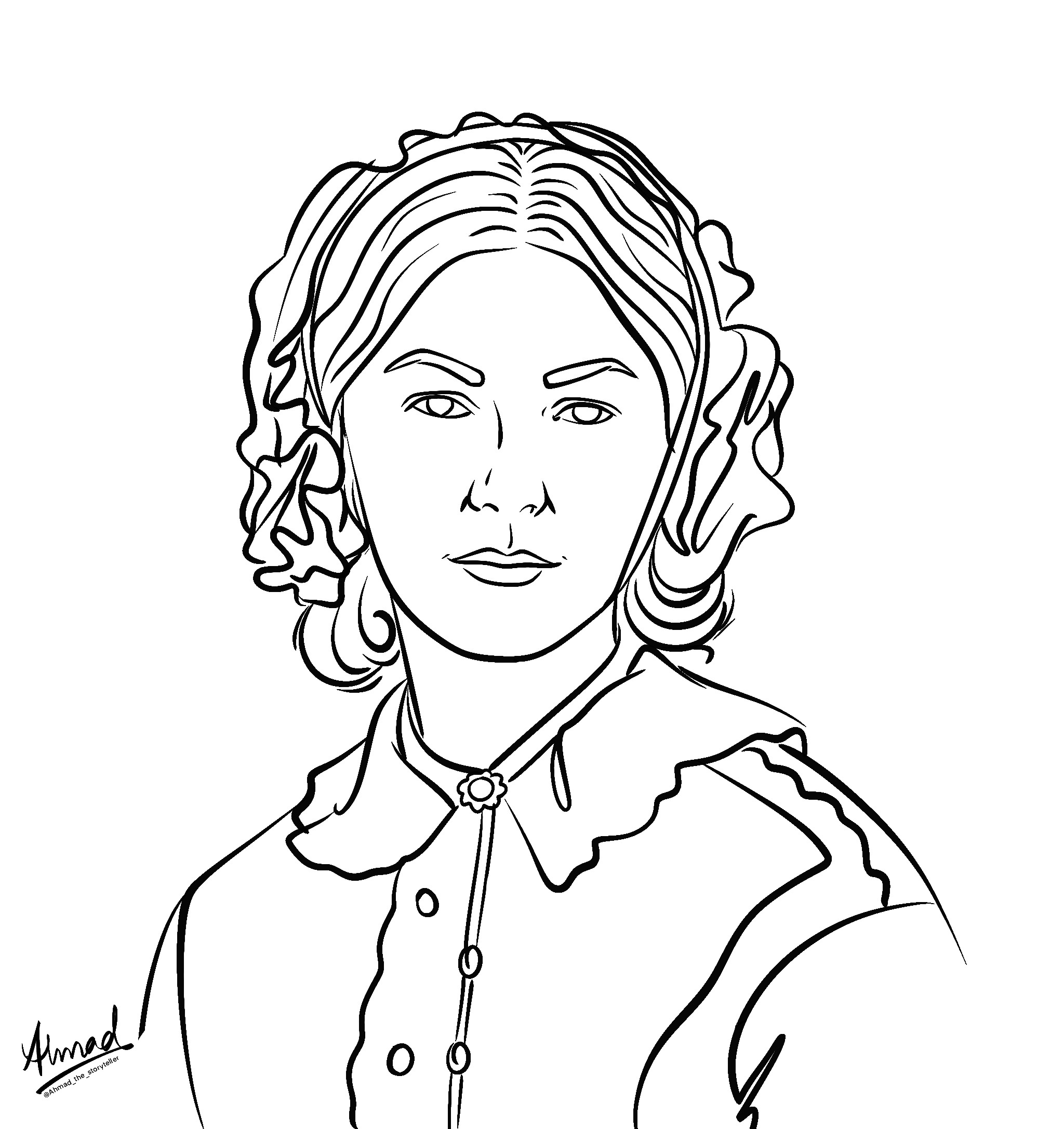
Florence Nightingale(1820–1910)Founder of Modern Nursing and Pioneer of Statistical Science
Florence Nightingale
+ Tap to read biography
Florence Nightingale is known for modernizing the profession of nursing during the Crimean War. But after that, she went on to become a groundbreaking statistician who used charts and graphs to help the public understand complex data about health and hygiene. In other words, she invented infographics of the type we now see in USA Today. As a result of her analytical brilliance, she became the first female fellow of the Royal Statistical Society.
Her visual and statistical reports persuaded the British government to reform army medical care, and later shaped civilian hospital design and sanitation. Miss Nightingale's legacy not only laid the foundation for modern nursing but also demonstrated how to use statistics as a powerful tool for social change.
Harriet Martineau(1802–1876)Author, Polymath, and First Female Sociologist
Harriet Martineau
+ Tap to read biography
The astounding polymath Harriet Martineau was a pioneering social theorist and bestselling author whose books delved into the fields of philosophy, ethics, feminism, history, literature, religion, and political economy. Her Illustrations of Political Economy (1832–34) introduced economic ideas to a broad audience.
She was a regular contributor to The Daily News (founded by Charles Dickens) and covered politics, international affairs and social reform. After going deaf in her twenties, she also worked in disability advocacy.
Hetty Green(1834–1916)Wall Street Icon and Transatlantic Investor
Hetty Green
+ Tap to read biography
Hetty Green, an American financial titan, was the most successful speculator—male or female—in the late nineteenth century. Known for her common-sense investment strategy, Green was respected in monetary circles on both sides of the Atlantic. In the U.S. banking crisis of 1907, she single-handedly bailed out the entire city of New York with a personal loan to keep city services running, including salaries for teachers and police.
The press never missed a chance to portray her as eccentric and unlikable, choosing to focus on personality rather than achievement. However, she remains a rare example of a woman reaching the pinnacle of high finance in a male-dominated era—despite never being allowed to join New York City's elite men-only financial clubs.
Josefa "Pepita" de Oliva(1830–1871)Authentic Spanish Dancer and Cultural Icon
Josefa "Pepita" de Oliva
+ Tap to read biography
Pepita de Oliva, born in Málaga, was one of the most acclaimed Spanish dancers of the Victorian era. Touring across Europe, she captivated audiences with her elegant Andalusian performances. Later she became the companion of British diplomat Lionel Sackville-West, with whom she had a lifelong relationship. She gave birth to seven children, one of whom became the mother of novelist Vita Sackville-West.
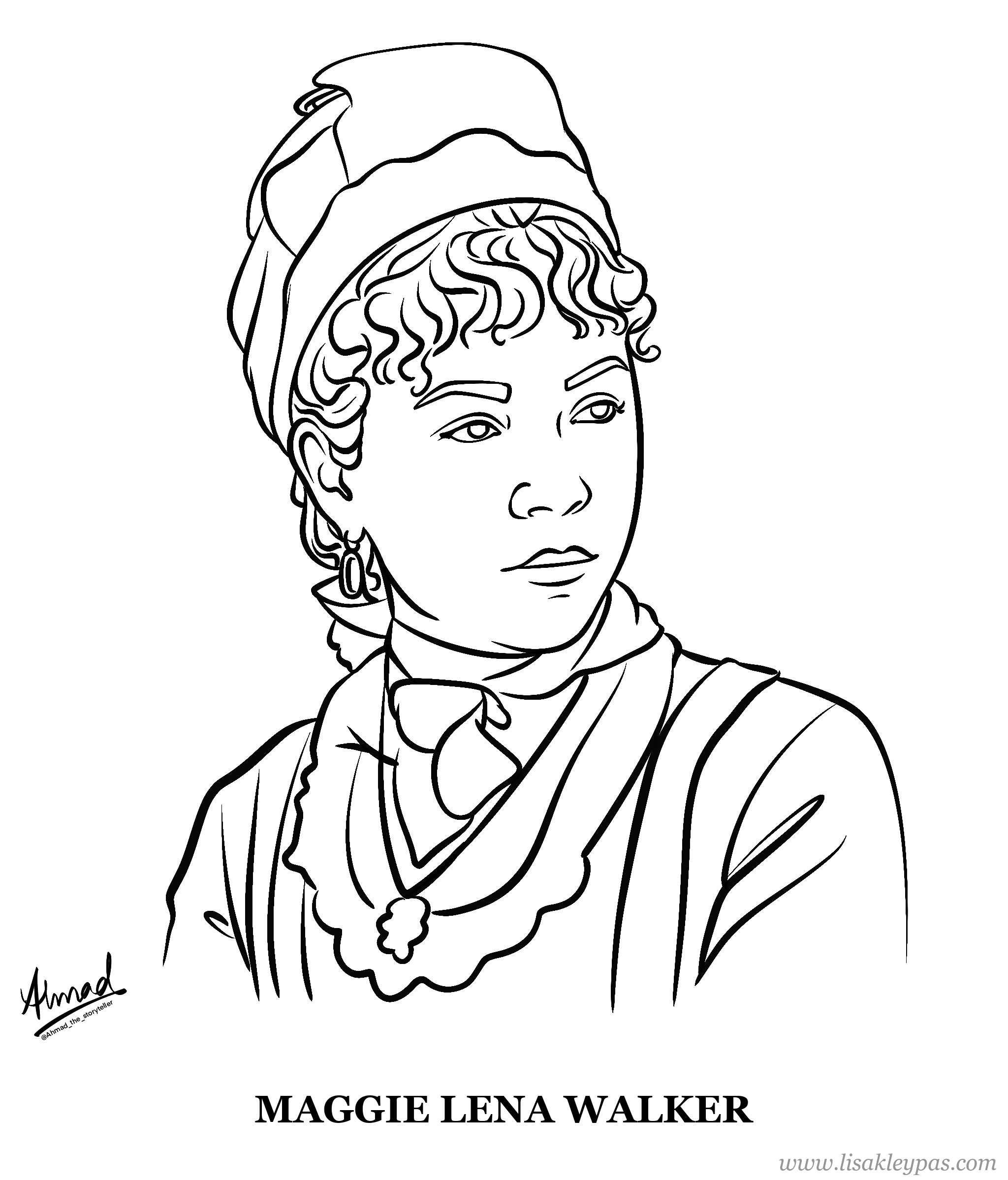
Maggie Lena Walker(1864–1934)First Black Woman to Found and Run a Bank in the U.S.
Maggie Lena Walker
+ Tap to read biography
The remarkable Maggie Lena Walker, a teacher and civil rights activist, became the first Black woman in the U.S. to charter and serve as president of a bank—the St. Luke Penny Savings Bank. Her leadership inspired women to pursue financial autonomy and economic justice in places all around the world, including Britain.
She became a success despite overwhelming odds, at a time of systemic misogyny and Jim Crow exclusion. In her keen understanding of women's need for economic independence, she taught them financial literacy and helped them become entrepreneurs.
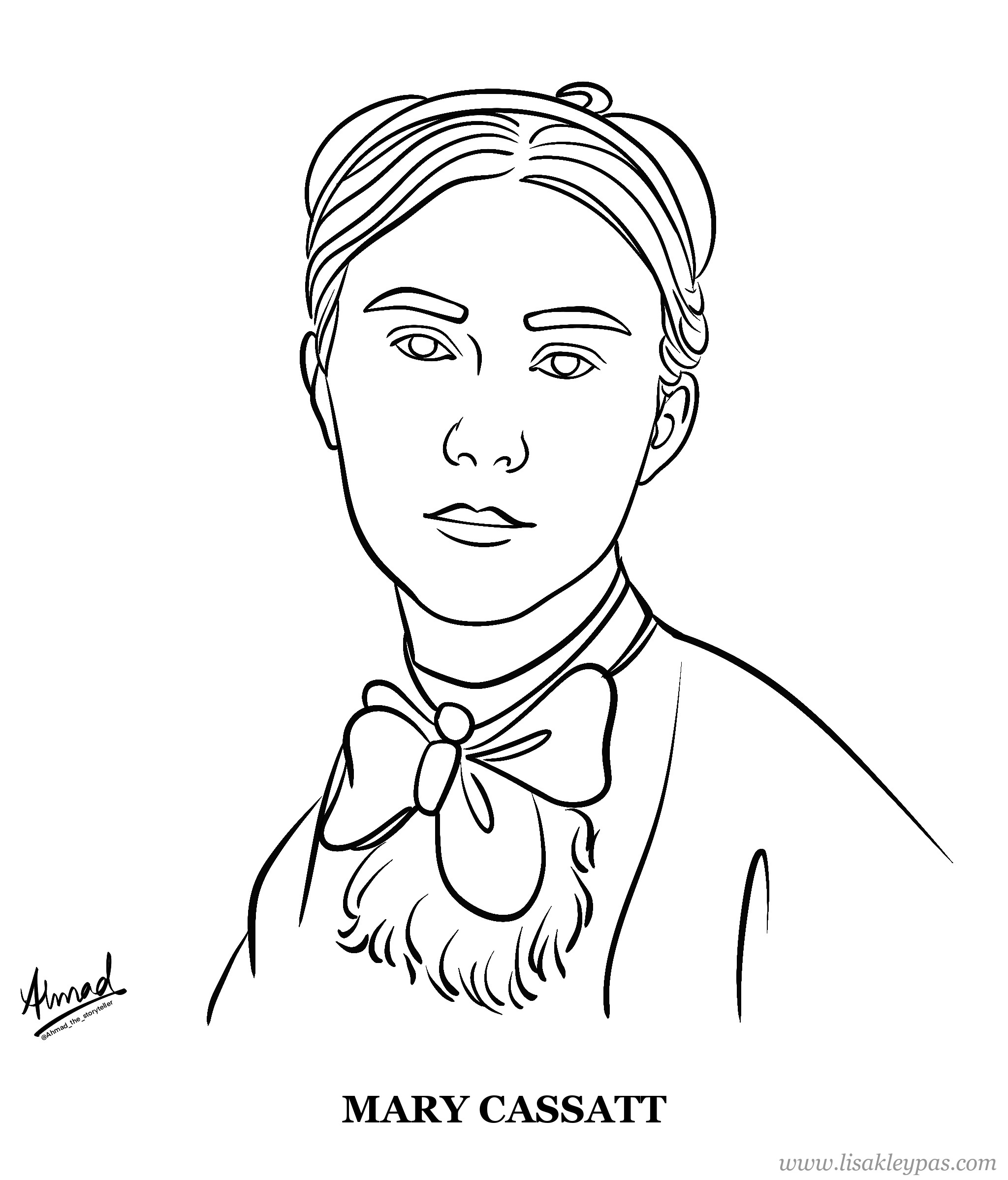
Mary Cassatt broke through the barriers of the overwhelmingly male-dominated art world in the Victorian era, exhibiting her works alongside Degas and Monet. She applied her fearless talent in the creation of a distinctly female perspective within the Impressionist movement. Her radiant paintings of women and children in domestic scenes were radical in their assertion of the importance of women's private lives.
She went on to mentor other female artists, and encouraged women to support and collect modern art. In 1915, despite her failing eyesight, she helped organize an exhibition to benefit women's suffrage. Her inspiring career paved a pathway for female artists to be taken seriously.
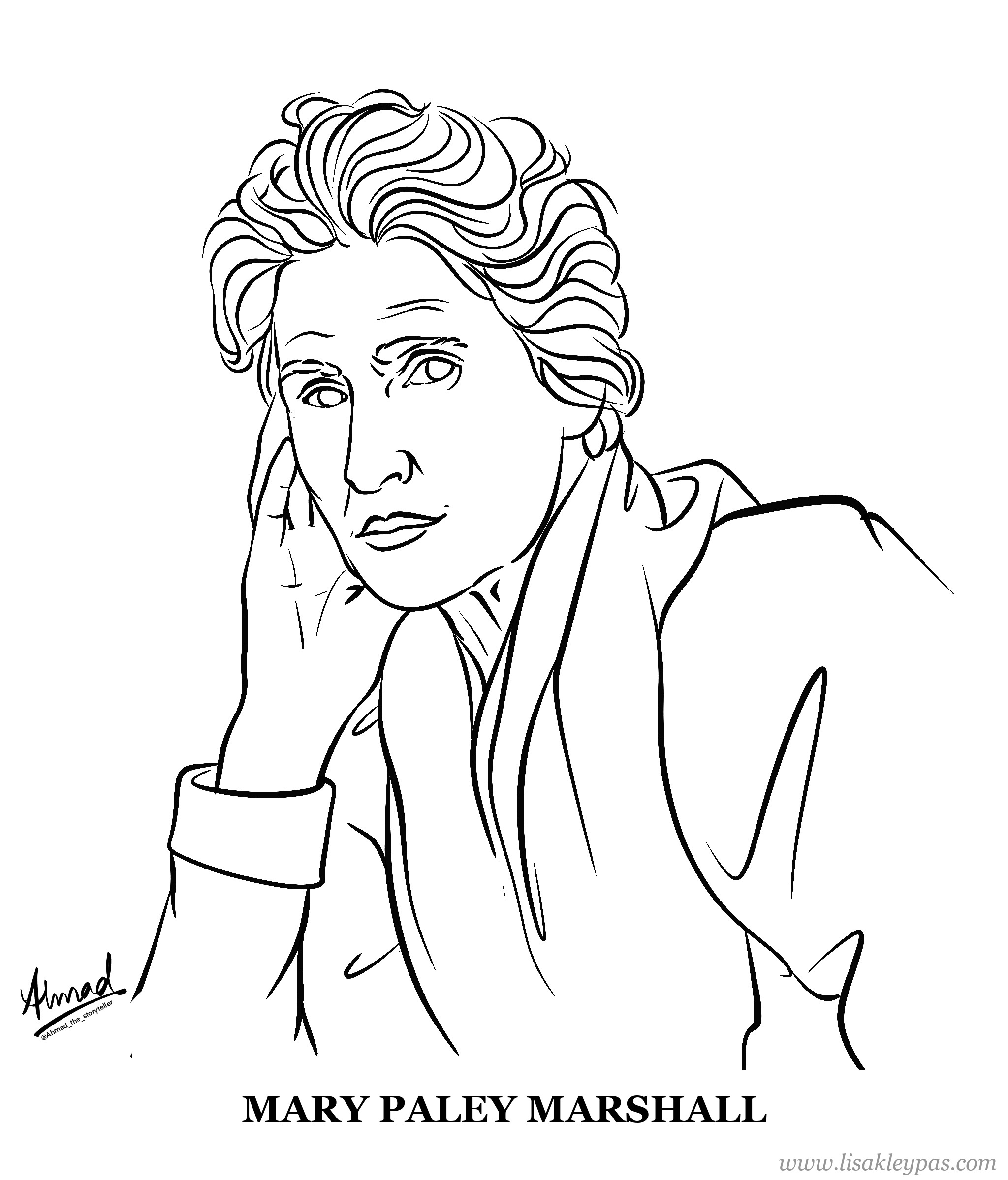
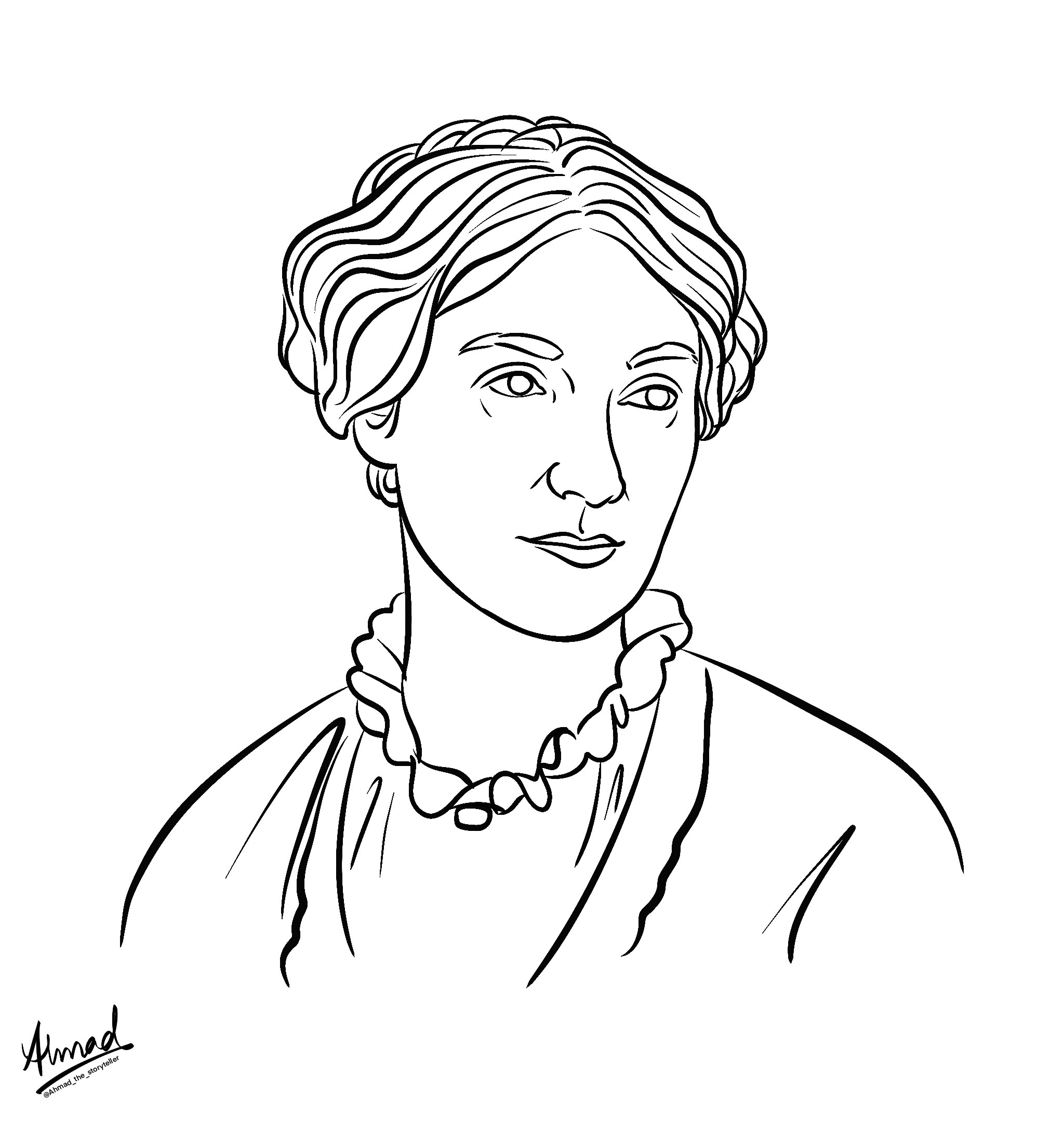
Mary Paley Marshall(1850–1944)First Female Economist in Britain
Mary Paley Marshall
+ Tap to read biography
Mary Paley Marshall, a Cambridge-educated economist, passed her final examinations with honors but, as a woman, wasn't allowed to formally graduate and receive a degree. Nevertheless, at the age of twenty-five she became the first female lecturer at Cambridge University. She went on to teach at University College Bristol, and Oxford University.
After she married economist Alfred Marshall, they co-authored The Economics of Industry in 1879. According to John Maynard Keynes (the father of macroeconomics), Mary Paley Marshall was every bit as significant as her (far more famous) husband to the historical development of economics.
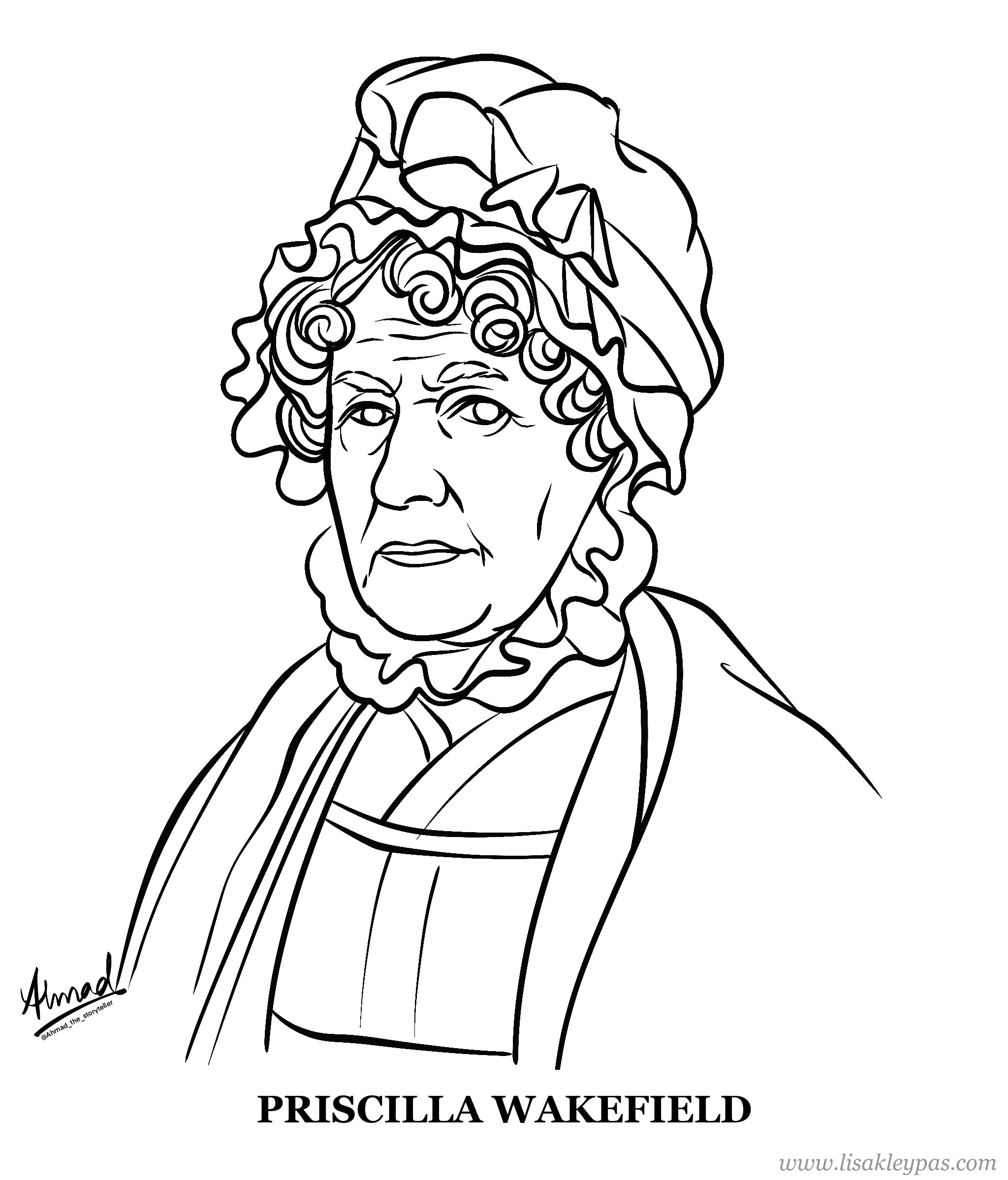
Priscilla Wakefield(1751–1832)Early Founder of Savings Institutions and Women's Advocate
Priscilla Wakefield
+ Tap to read biography
A Quaker reformer and writer, Priscilla Wakefield was a pioneer of female-led economic philanthropy. In 1801, she helped establish one of England's first savings banks for working-class women and children. Her writings on education and economics argued for women's intellectual equality and financial independence, making her a key figure in the pre-Victorian reform movement.
The London National Training School of Cookery, founded in 1873, was a pioneering institution in culinary and domestic education. Staffed primarily by women, the school provided courses in cookery, hygiene, and household economy.
Many of the students went on to become culinary teachers, writers, and reformers. This groundbreaking institution laid the foundation for modern culinary education and opened new career paths and possibilities for Victorian-era women.
This community became home to thousands of Spanish political exiles, artists, writers, artisans, and business people. Thanks to their dynamic influence, Spanish culture, food, and music became well-known and admired in London. The Sociedad Española de Socorros Mutuos (Spanish Mutual Aid Society) was founded in the metropolis in the early nineteenth century. This vibrant community helped each other financially and socially, and set aside class boundaries as they stuck together during times of hardship. They held charity events and social functions, where everyone from the Spanish ambassador down to the newly arrived immigrants would mingle.
The Spanish characters in Queen of Lombard Street gave the novel a vibrant and unique flavor. While visiting Spain for a book tour in the early 2000s, I was thrilled to spend time with my Spanish readers, who were incredibly smart, funny, and well-read. I've never forgotten them. They all had a part in creating Reina and other characters in the novel.
“Write the book of your heart” is a phrase I’ve heard ever since I first started writing. For a long time I took it to mean “write books you love.” I inhabited my writing career the way you live in a house, redecorating and remodeling, bringing in new things, tossing out what didn’t work anymore.
Then came the spring of 2020, an especially wet and muddy season in Washington State. My husband and I were still reeling from the death of two close friends. Our daughter had come home after her college had switched to online-only classes. The three of us were watching a comedy on some streaming channel, and every time I laughed, I started coughing. Which had been happening a lot lately. I put a hand up to my throat, and felt a lump. It didn’t seem real. My daughter and I spent the rest of the night Googling medical information, seizing on every possible not-cancer explanation we could find.
But no amount of inspired magical thinking could make it not cancer. This was right when Covid was shifting into high gear and hospitals were overrun, so…yeah. My timing sucked. I ended up having a thyroidectomy and thymectomy. Thankfully the cancer hadn’t spread anywhere, and a skilled surgeon removed all of it, and I came home with a take-these-forever prescription for thyroid medication.
In the months of recovery and isolation that followed, I was forced to slow down and reflect. After you face the possibility that your time has run out, you’re never quite the same. Every now and then, the awareness of mortality is like a ghostly but friendly pat on your shoulder. It makes you appreciate things. It also makes you regret the risks you should have taken.
The great thing about genre writing is that it forces you to be inventive within constraints. Now, however, I couldn’t help pushing past that disciplined structure. I felt driven to write a novel in which romantic love was a powerful part of the journey—but not the entire journey. My characters would fall in love, but they would also have other dreams and ambitions, and other reasons to yearn and fear. There would be pain, loss, hope, and redemption. I would explore—as fully as I could—what it was like to be a woman in the Victorian era, who doesn’t want the path the world has laid out for her.
It took me some time to become acquainted with Reina Martin, an illegitimate young woman, raised in isolation, who (in her mother’s words) becomes “queen of her own castle.” But not by marrying a prince. Reina has had to build her own castle, brick by brick. And she wants to help other women get ahead, even though society has been deliberately structured to keep them all dependent.
Writing the book of my heart turned out to be exhilarating, and scary, and difficult. Most often it was humbling. Researching the women of the Victorian era, becoming familiar with their struggles and triumphs, was like having a conversation across time. I learned so much from them. They fought impossible battles so we wouldn’t have to. And yet here we are, looking at ground we’ve lost and wondering if we’ll ever recover it.
But I know they would understand. We’ve seen it before, they would say to us. We lived through it. This isn’t failure … it’s just the work we all have to do. They can’t define you when they don’t even know who you are. Don’t let anyone make your life small—inhabit every corner of it.